

Homeowners often face confusion when planning a new heating and cooling system. Prices vary widely, and many estimates seem hard to compare. Some people worry about paying too much or choosing the wrong setup. Others focus on comfort but overlook long-term operating costs. A clear view of HVAC install cost helps you plan smarter and avoid costly surprises.
Factors That Affect HVAC Install Cost
HVAC installation costs depend on system type, home structure, and efficiency ratings. These factors work together to shape the final price you receive from contractors. Each home presents different installation challenges that affect labor and materials. Understanding these cost drivers helps you evaluate quotes with confidence.
System Type and Size Costs
System type and size directly determine a large portion of the HVAC installation cost. Central air systems, heat pumps, and ductless units come with different price ranges and performance levels. Each system fits certain home layouts and comfort needs, which affects overall value. Proper sizing matters because an oversized unit wastes energy and increases wear over time. Contractors calculate load requirements using square footage, insulation, and airflow conditions. This calculation process helps the system run efficiently without unnecessary strain or expense.
Home Layout and Ductwork Impact
Home layout and existing ductwork strongly influence installation pricing. Multi-level homes or tight spaces require more labor and careful planning during installation. Older homes often need updates to support modern HVAC systems and meet current airflow requirements. Existing ducts can lower costs if they remain sealed and structurally sound. Damaged or outdated ducts increase expenses due to repairs or full replacement. Accessibility also affects labor time, especially in attics, crawl spaces, or compact utility areas.
Energy Efficiency and SEER Ratings
Energy efficiency ratings explain how well a system uses power to heat or cool a home. SEER measures cooling efficiency, while AFUE measures furnace performance. Higher ratings usually mean higher upfront costs but lower monthly energy bills. Many homeowners weigh initial price against long-term savings when choosing equipment. Rebates and tax incentives often apply to high-efficiency systems, based on recent federal energy guidelines. These programs make efficient systems more appealing despite the higher starting cost.
Average HVAC Install Cost by System
Average HVAC installation costs depend on system type and installation complexity. These ranges help homeowners set realistic expectations before requesting estimates. Costs vary based on home size, labor difficulty, and equipment quality. Reviewing typical pricing helps you compare contractor proposals more effectively.
Central Air Installation Cost Range
Central air installation costs typically fall in the mid- to higher-priced range. This system includes an outdoor condenser, an indoor coil, and supporting components. Homes with existing ductwork usually pay less than those that need new ductwork. Installation becomes more expensive when structural adjustments are required. This setup works well for homeowners seeking consistent cooling throughout the house. Industry data from the U.S. Department of Energy supports central air as a reliable cooling option for larger homes.
Heat Pump Installation Pricing Guide
Heat pump installation pricing often aligns with the cost of a central air system. This system provides both heating and cooling, which reduces the need for separate equipment. Heat pumps perform best in moderate climates where extreme temperatures are less common. Installation costs increase if electrical upgrades or additional components are required. Many homeowners value the long-term energy savings and efficiency benefits. Recent energy reports show growing adoption of heat pumps due to improved performance standards.
Ductless Mini-Split Cost Per Zone
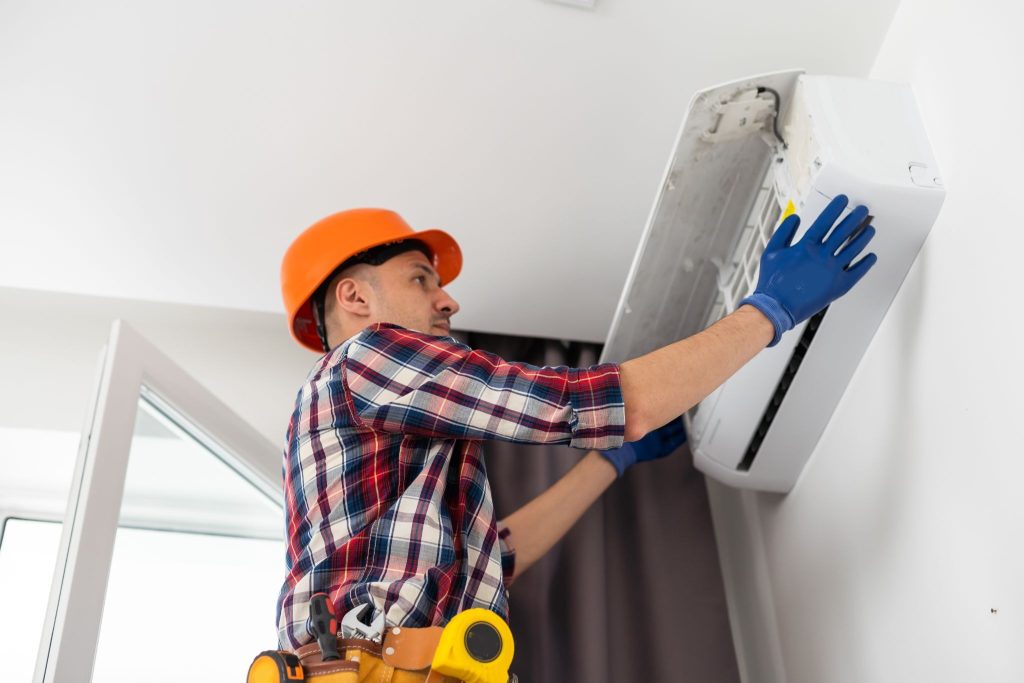
Ductless mini-split cost depends on the number of zones installed in the home. Each indoor unit controls a specific area, allowing for targeted temperature control. Installation remains faster than traditional systems because no ductwork is required. This setup reduces energy loss that often occurs through ducts. Costs rise with each additional zone but provide greater flexibility and comfort. Many homeowners choose ductless systems for additions, small homes, or specific rooms.
Furnace Installation Cost Breakdown
Furnace installation cost varies based on fuel type and system capacity. Gas furnaces often cost more upfront but operate more efficiently over time. Electric furnaces usually cost less to install but may increase energy bills. Installation expenses rise if ventilation or gas line adjustments are needed. Replacing an existing furnace costs less than installing one in a new space. This heating option remains common in colder regions with higher heating demand.
Labor Cost in HVAC Installation
Labor costs form a large share of the total HVAC installation cost. Skilled technicians handle system setup, wiring, and airflow adjustments. Installation complexity affects how long the project takes to complete. Understanding labor factors helps explain differences between contractor estimates.
Technician Skill and Installation Time
Technician skill level directly affects both cost and installation quality. Experienced professionals charge higher rates but deliver more reliable results. Proper installation reduces the risk of future repairs and system inefficiency. This craftsmanship ensures correct airflow, wiring, and system calibration. Projects may take a day or several days, depending on the system type. Longer projects increase labor charges due to extended work hours.
Permits and Code Compliance Costs
Permits and code compliance add to the costs of HVAC installation projects. Local regulations require permits to verify compliance with safety and efficiency standards. Contractors usually handle permit applications as part of their service. Inspection fees may apply during or after installation. These steps protect homeowners from safety risks and legal issues. This process also ensures the system meets current building and energy codes.
Installation Timeline and Complexity
The installation timeline depends on the system type and home conditions. Simple replacements take less time than full system installations with new ductwork. Complex layouts require more planning and coordination among technicians. Weather and scheduling can also affect project timelines. This delay can increase labor costs if work extends over several days. Clear communication with your contractor helps set accurate expectations.
Extra Costs in HVAC Install Projects
Extra costs often appear during HVAC installation beyond equipment and labor. These expenses depend on the home’s condition and the systems required. Many homeowners overlook these details when budgeting. Preparing for these costs helps prevent unexpected financial strain.
Ductwork Installation or Repair Costs
Ductwork installation or repair increases the HVAC installation cost when airflow issues are present. New duct systems require materials, labor, and careful design planning. Older ducts may need to be sealed or insulated to improve efficiency. Poor duct conditions reduce system performance and increase energy bills. Contractors assess airflow and structural integrity before recommending changes. This upgrade improves comfort and supports long-term system efficiency.
Smart Thermostat Upgrade Costs
Smart thermostat upgrades add convenience and control to modern HVAC systems. These devices allow remote access and energy monitoring through mobile apps. Installation costs remain moderate but require compatibility with your system. This upgrade helps reduce energy use through better temperature management. Many homeowners appreciate the ability to adjust settings from anywhere. Energy reports show that smart thermostats can lower annual heating and cooling costs.
Old HVAC System Removal Fees
Removing an old HVAC system involves labor, transportation, and disposal costs. Technicians must disconnect equipment safely before removal. Some components require special handling due to environmental regulations. Disposal fees vary based on equipment type and local rules. This process ensures proper recycling or safe disposal of materials. Including removal costs provides a more accurate estimate of the total installation cost.
Ways to Lower HVAC Installation Cost
Lowering HVAC installation costs requires smart decisions without sacrificing quality. Homeowners can manage expenses by carefully planning and comparing options. Strategic choices help balance upfront spending with long-term savings. These methods help you control costs while maintaining system performance.
Best Time for HVAC Installation Deals
Timing affects HVAC installation costs due to seasonal demand fluctuations. Contractors experience higher demand during peak heating and cooling seasons. Scheduling installation during slower periods may lead to better pricing. This flexibility allows you to compare more quotes and options. Planning also reduces pressure during emergency replacements. Many contractors offer discounts during off-peak months.
Rebates, Credits, and Financing Options
Rebates and financing options help reduce the financial burden of installation. Federal and local programs offer incentives for energy-efficient systems. Financing plans allow homeowners to spread payments over time. Contractors often provide guidance on available programs and applications. This approach makes higher efficiency systems more affordable. Energy agencies regularly update incentive programs in line with efficiency standards.
Choosing a Reliable HVAC Contractor
Choosing a reliable HVAC contractor affects both cost and installation quality. Comparing multiple quotes helps you understand pricing and service differences. The lowest price does not always reflect the best value. Experienced contractors provide clear estimates and detailed explanations. Checking reviews and certifications helps confirm their credibility. This careful selection process leads to better long-term results.
HVAC Install Cost vs Long-Term Value
HVAC install cost should be viewed alongside long-term value and savings. A lower upfront price does not always lead to lower total costs. Energy efficiency, maintenance, and lifespan all affect overall value. Considering these factors helps homeowners make smarter investment decisions.
Energy Savings Over System Lifespan
Energy savings play a key role in the long-term value of HVAC systems. Efficient systems use less energy to maintain comfortable temperatures. This performance reduces monthly utility bills over time. Higher-rated systems often recover their cost through savings. Consistent efficiency also reduces strain on system components. This benefit leads to more reliable operation and lower operating expenses.
Maintenance Costs and System Durability
Maintenance costs affect the overall value of an HVAC system. Regular service helps extend system lifespan and maintain performance. This upkeep includes inspections, filter changes, and minor repairs. Neglecting maintenance can lead to costly breakdowns or early replacement. Durable systems provide reliable comfort for many years. This reliability reduces the need for frequent upgrades.
Get Your HVAC Installation Done Right
Smart HVAC decisions start with understanding your home’s real needs and long-term goals. Every installation choice affects comfort, energy use, and system reliability over time. This approach helps you avoid rushed decisions that often lead to higher expenses later. Working with a qualified professional gives you clarity, accurate sizing, and proper installation. Reach out to a trusted HVAC expert and set your home up for lasting comfort and efficiency.
Get straightforward HVAC guidance that makes sense for your home. Explore the Tom Heating & Air blog today.