Heating and cooling costs continue rising as older HVAC systems lose efficiency. Many homeowners now choose heat pumps because they provide year-round indoor comfort with a single system. Professional heat pump installation improves airflow, lowers energy waste, and supports stable indoor temperatures. Modern systems also run quieter than many traditional heating and cooling units. Homeowners who plan installations carefully often avoid costly repairs and uneven comfort later.
What Heat Pump Systems Do
Heat pump systems move heat instead of creating it through combustion or electric resistance. During colder months, the system pulls outdoor air into the home using refrigerant technology. During warmer weather, the same equipment removes indoor heat and releases it outside. This heating and cooling process lowers energy use while maintaining reliable indoor comfort.
Why Homeowners Choose Heat Pumps
Heat pumps reduce energy consumption while providing consistent heating and cooling year-round. Many homeowners replace aging furnaces and air conditioners with a high-efficiency system. Variable-speed compressors adjust airflow gradually, reducing uncomfortable temperature swings between rooms. Many modern systems also pair with smart thermostats for better scheduling and energy management. According to the U.S. Department of Energy, heat pumps can reduce electricity use significantly compared with electric resistance systems. Homeowners often notice quieter operation and cleaner airflow shortly after professional installation.
Types of Heat Pump Systems
Different heat pump systems support different property layouts and household comfort goals. Air-source heat pumps remain popular because they are less invasive and cost-effective to install. Ductless mini-split systems work well for homes without existing ductwork or room additions. Geothermal systems use underground temperatures for stronger efficiency and stable seasonal performance. Dual-fuel systems combine heat pumps with furnaces for additional support during freezing conditions. HVAC contractors evaluate insulation, square footage, and airflow needs before recommending suitable equipment.
How to Prepare for Heat Pump Installation
Successful heat pump installation starts with detailed planning and accurate home evaluations. Contractors inspect existing HVAC components before recommending replacement equipment or upgrades. Electrical systems, insulation quality, and duct conditions affect long-term system efficiency and performance. Proper preparation also reduces delays and installation complications throughout the project.
Why Home Evaluations Matter
Professional home evaluations help contractors accurately recommend systems that match household comfort needs. Technicians calculate heating and cooling loads using room sizes, insulation levels, and window placement. Poor insulation forces HVAC systems to work harder during seasonal temperature changes. Contractors also inspect ductwork for leaks, airflow restrictions, and damaged insulation materials. Older electrical panels may require upgrades before supporting modern heat pump systems safely. These inspections help homeowners avoid oversized systems, unstable airflow, and rising utility costs later.
Best Locations for Equipment Placement
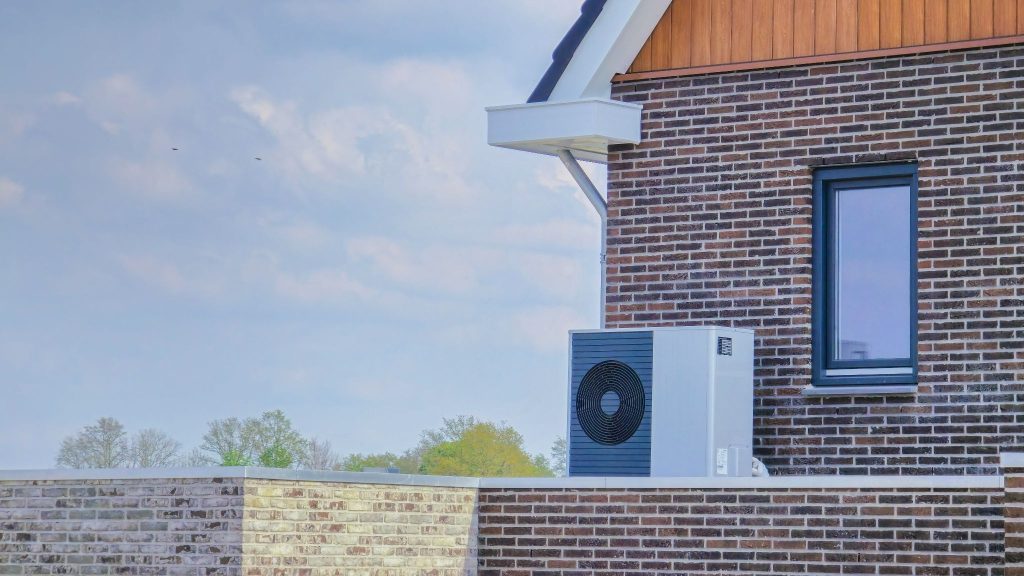
Equipment placement significantly affects airflow quality, operating noise, and long-term system reliability. Outdoor condenser units need clear airflow and stable ground support during operation. Technicians avoid placing outdoor units near bedroom windows because noise may disturb occupants overnight. Indoor air handlers require accessible locations for future inspections and maintenance appointments. Ductless systems also require balanced wall placement for proper airflow throughout the living spaces. Careful positioning helps heat pump systems maintain efficient performance throughout every season.
How Home Design Affects Performance
Home design affects heat pump performance more than many homeowners realize during equipment selection. Layout, insulation quality, ceiling height, and window placement all influence indoor comfort and airflow efficiency. Two homes with similar square footage may require very different heating and cooling systems due to structural differences. Contractors who evaluate these details carefully often recommend systems that perform better and last longer.
Open Layouts Change Airflow Patterns
Open floor plans create airflow challenges because conditioned air moves differently through large, interconnected spaces. Heat pumps may run longer when air escapes into vaulted ceilings or oversized living areas. Rooms that receive direct afternoon sunlight often feel warmer than shaded areas of the property. Contractors adjust airflow settings and equipment sizing to balance these indoor temperature differences better. Poor airflow planning may leave homeowners with uneven comfort despite installing modern HVAC equipment. Proper airflow design helps heat pump systems maintain steady indoor temperatures without unnecessary energy waste.
Insulation Impacts System Efficiency
Insulation quality directly affects how hard heat pump systems work throughout changing seasons. Poor attic insulation allows heated or cooled air to escape faster from the property. Older windows and unsealed gaps around doors also significantly increase indoor temperature fluctuations. Contractors often inspect insulation conditions before recommending new HVAC equipment or system upgrades. Homeowners who improve insulation may qualify for smaller systems with lower operating costs. Better insulation also reduces strain on compressors and extends the overall equipment lifespan.
Heat Pump Installation Steps
Professional installation follows a structured process that protects equipment performance and household safety. Most residential projects take one to several days, depending on system complexity and home conditions. Clear communication throughout the process helps homeowners understand project timelines and service expectations.
Removing Existing HVAC Equipment
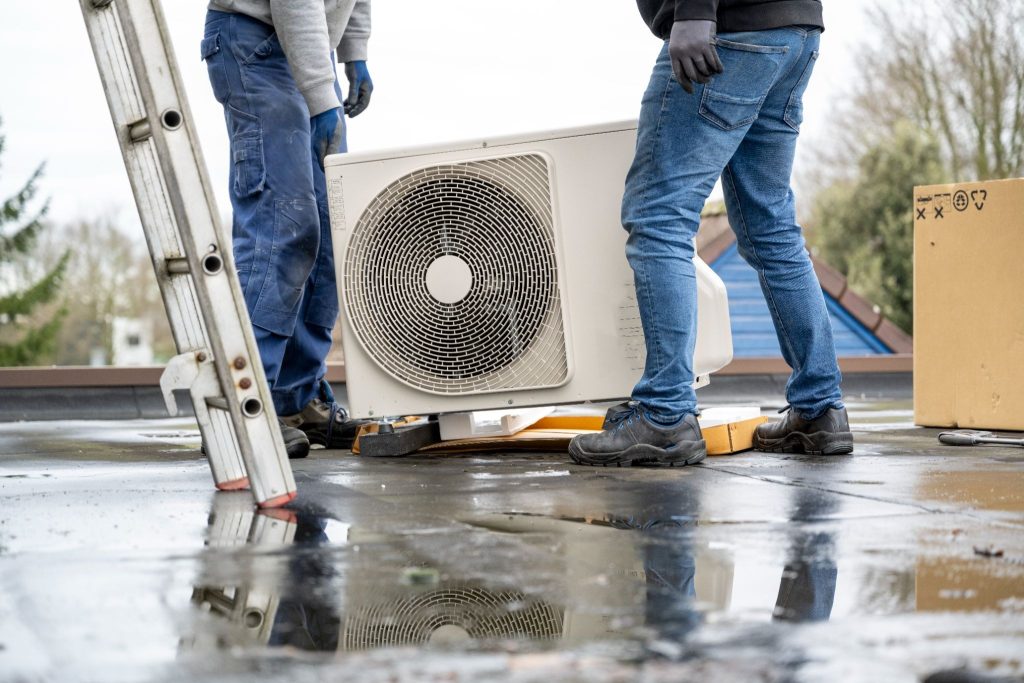
Technicians disconnect old HVAC systems carefully before installing replacement heat pump equipment. Older furnaces, condensers, and air handlers must be disposed of in accordance with local environmental regulations. Contractors inspect the surrounding ductwork and electrical connections after removing outdated components from the property. Damaged wiring or leaking ducts often require repairs before installation work continues safely. Clean installation areas improve airflow quality and reduce debris entering new equipment components. Careful removal procedures also reduce safety risks during the remaining stages of installation.
Installing New Heat Pump Components
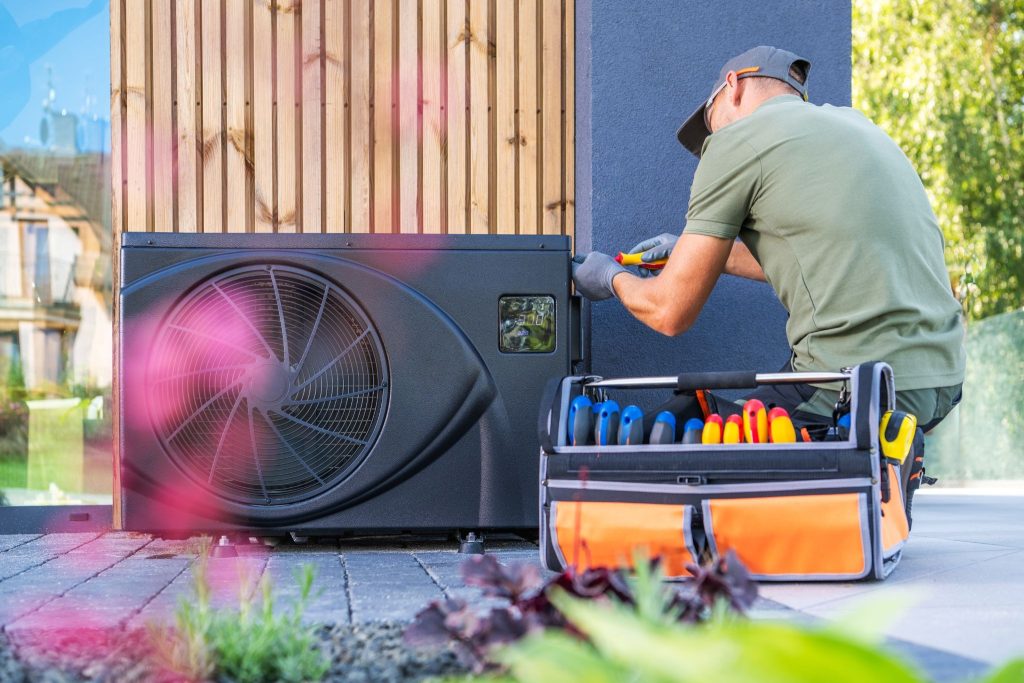
Technicians install outdoor condensers on stable surfaces to reduce vibration and operating noise. Indoor air handlers are carefully connected to refrigerant lines, duct systems, and electrical wiring. Ductless mini-split systems require wall-mounted units positioned for balanced airflow and accessibility. Contractors seal refrigerant connections tightly because small leaks reduce efficiency and cooling performance. Technicians also install drainage systems to manage moisture produced during operation. Accurate installation methods support dependable airflow and stable indoor comfort throughout changing weather conditions.
Testing and System Calibration
System testing confirms that all installation components operate safely and efficiently together. Technicians carefully measure refrigerant pressure and inspect airflow throughout the home. Thermostats receive calibration adjustments to ensure accurate temperature readings and proper scheduling. Contractors also inspect electrical connections, airflow restrictions, and unusual operational noises during testing. Homeowners usually receive maintenance guidance and warranty information after final inspections are complete. This final evaluation helps prevent future performance issues and unnecessary repair costs.
Common Challenges During Heat Pump Installation
Electrical limitations, damaged ductwork, and poor insulation often unexpectedly affect heat pump installation timelines. Experienced HVAC contractors identify these concerns early and quickly recommend practical repair solutions. Early planning reduces stress and prevents costly project delays during installation.
Electrical Issues in Older Homes
Older homes often have electrical panels that lack capacity for modern heat pump systems. Technicians inspect breaker loads and wiring conditions before connecting replacement HVAC equipment. Overloaded electrical systems increase safety risks and may permanently damage sensitive system components. Some homes require dedicated circuits or panel upgrades before installation proceeds safely. Licensed electricians sometimes coordinate with HVAC contractors during larger residential upgrade projects. Early electrical inspections help homeowners avoid delays and unexpected labor costs later.
Ductwork Problems and Airflow Loss
Damaged ductwork reduces airflow efficiency and significantly increases energy waste for heating and cooling. Contractors inspect ducts for disconnected joints, crushed sections, and deteriorating insulation materials. Leaking ducts force heat pump systems to work harder during daily operation cycles. Uneven airflow also creates uncomfortable temperature differences between rooms and throughout the household. Some properties benefit from complete duct replacements during major HVAC equipment upgrades. Proper duct repairs improve indoor comfort while supporting long-term heat pump efficiency.
What to Expect After Heat Pump Installation
New heat pump systems often feel different from traditional furnaces during daily operation. Many homeowners notice longer heating cycles because heat pumps maintain temperatures gradually and consistently. This operating style improves energy efficiency while reducing sudden temperature swings throughout the home. Understanding these changes helps homeowners adjust more quickly and feel more confident in their new HVAC system.
Longer Run Cycles Are Normal
Heat pumps usually operate longer because they maintain stable indoor temperatures more efficiently than furnaces. Traditional systems produce short bursts of intense heat, resulting in noticeable temperature fluctuations. Heat pumps deliver gentler airflow over longer periods to maintain steady comfort across living spaces. Some homeowners initially mistake this operating pattern for poor system performance or weak heating capacity. Contractors often explain that gradual heating reduces energy waste while improving indoor comfort consistency. Understanding this adjustment period helps homeowners avoid unnecessary service calls after installation.
Indoor Humidity and Airflow May Change
New heat pump systems often significantly improve indoor humidity control and overall airflow consistency. Homeowners may notice cleaner air and fewer dry indoor conditions during colder weather. Variable-speed systems circulate air more evenly throughout bedrooms, hallways, and larger living areas. Some rooms may also feel more balanced because airflow remains steadier during operation cycles. Contractors sometimes adjust airflow settings after installation to better match homeowners’ comfort preferences. These small adjustments help the system deliver stronger, long-term comfort and efficiency.
Install Heat Pumps to Reduce Energy Costs
A professionally installed heat pump helps homeowners lower energy costs while maintaining year-round indoor comfort. Older heating and cooling systems often waste electricity as airflow declines and internal components wear down. Modern heat pumps operate efficiently, maintain balanced indoor temperatures, and reduce unnecessary strain during seasonal temperature changes. Homeowners who schedule heat pump installation with experienced HVAC services often avoid uneven airflow, rising utility bills, and costly emergency repairs later.
HVAC systems work better when homeowners understand how they perform. Read the Tom Heating & Air blog for clear answers and professional insights on heating and cooling.