
Indoor comfort often depends on how well an HVAC system performs each day. Many homeowners overlook small warning signs until cooling or heating becomes unreliable. Routine care helps avoid unexpected issues and keeps indoor air clean and balanced. A structured approach reduces energy waste and supports steady system performance. A clear HVAC maintenance checklist gives homeowners control over comfort, cost, and long-term reliability.
HVAC Maintenance Checklist Basics
An HVAC maintenance checklist is a structured plan that outlines routine maintenance tasks for HVAC systems. This structured approach keeps heating and cooling equipment running efficiently year-round. It also helps homeowners prevent avoidable repairs by addressing minor issues promptly. Clear maintenance routines support consistent airflow and stable indoor temperatures across different seasons.
How HVAC Systems Work
HVAC systems regulate indoor temperature by circulating air through ducts and mechanical components. This system process relies on compressors, coils, and fans to heat or cool air effectively. The thermostat controls when the system turns on or off based on temperature settings. Air filters capture dust and allergens before air enters living spaces, improving indoor air quality. Each component must function properly to maintain balanced airflow and energy efficiency. When one part of the system struggles, the entire system works harder and consumes more energy.
Impact of Skipped HVAC Maintenance
Skipping HVAC maintenance leads to gradual performance decline and higher energy use. This neglect causes dust buildup that restricts airflow and stresses system components. Over time, small problems can develop into costly repairs or system failure. Inconsistent temperatures and poor air quality often follow neglected systems. Regular inspections help detect issues before they worsen and disrupt comfort. Consistent maintenance keeps the system reliable and reduces unexpected expenses.
Key HVAC Components to Check
Key HVAC components include filters, thermostats, and coils that require regular inspection. This group of components directly affects airflow, temperature control, and energy efficiency. Dirt, wear, and minor faults can reduce system performance over time. A focused HVAC maintenance checklist helps identify and address these issues early.
Air Filters and Airflow Control
Air filters trap dust, pollen, and debris to maintain indoor air quality. This filtration process prevents contaminants from circulating through the home. Clogged filters restrict airflow, forcing the system to work harder than necessary. This restriction increases energy consumption and reduces system efficiency over time. Replacing filters every one to three months helps maintain steady airflow. Clean filters also support healthier indoor environments and extend equipment lifespan.
Thermostat Accuracy and Settings
Thermostats control how HVAC systems respond to indoor temperature changes. This control function affects comfort levels and energy consumption throughout the home. Incorrect calibration can lead to uneven temperatures and unnecessary system operation. Smart thermostats offer improved scheduling and energy-tracking features for greater efficiency. Regular checks help confirm that temperature readings remain accurate. Proper thermostat settings keep the system responsive and balanced.
Coils and Heat Exchange Efficiency
Evaporator and condenser coils manage heat transfer within the HVAC system. This heat exchange process allows the system to cool or heat air effectively. Dirt buildup on coils reduces their ability to transfer heat efficiently. This reduction forces the system to consume more energy during operation. Cleaning coils improves performance and supports consistent temperature control. Regular inspections help maintain optimal heat exchange and system efficiency.
Seasonal HVAC Maintenance Tasks
Seasonal HVAC maintenance tasks prepare systems for changing weather conditions. This preparation helps maintain comfort during periods of heavy system use. Different seasons place varying demands on heating and cooling equipment. A seasonal HVAC maintenance checklist keeps systems ready for both warm and cool conditions.

Cooling Prep for Warm Months
Cooling system preparation involves checking components before temperatures rise. This preparation step includes inspecting refrigerant levels and cleaning condenser units. Debris around outdoor units can block airflow and reduce cooling performance. Electrical connections should be checked to avoid unexpected system interruptions. Testing the system before peak usage helps identify hidden issues. Proper preparation supports steady cooling during warmer months.
Heating Prep for Cooler Months
Heating system preparation focuses on safety and performance before colder weather arrives. This preparation includes inspecting furnaces and cleaning burners for efficient operation. Heat exchangers should be checked to prevent safety risks within the system. Airflow must remain consistent to distribute warm air evenly throughout the home. Regular checks reduce the risk of system failure during colder periods. A well-prepared system provides reliable heating when temperatures drop.
Outdoor Unit Care Year-Round
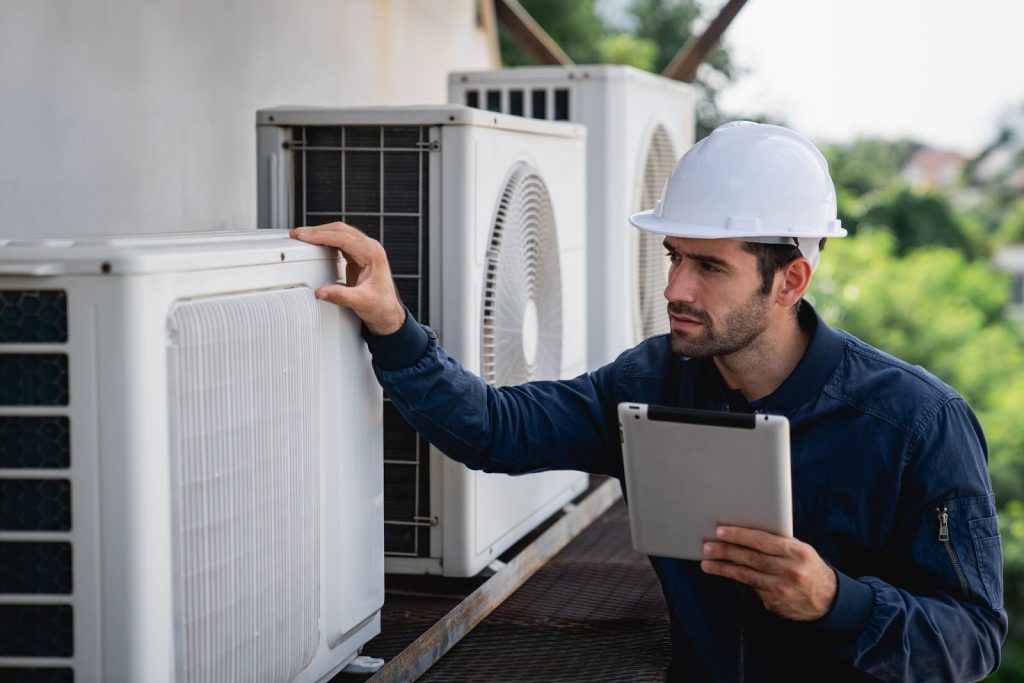
Outdoor HVAC units require consistent care due to constant exposure to environmental elements. This exposure includes dirt, leaves, and debris that can block airflow. Keeping the area around the unit clear improves ventilation and system efficiency. Protective covers can help reduce wear during harsh weather conditions. However, airflow must remain unobstructed for proper operation. Routine cleaning supports reliable performance throughout the year.
Signs Your HVAC Needs Repair
HVAC systems show clear warning signs when performance begins to decline. This pattern includes changes in airflow, temperature consistency, and system noise. Recognizing these signs helps prevent costly repairs and system failure. A proactive HVAC maintenance checklist helps address these issues promptly.
Strange Noises and Unusual Odors
Unusual noises often indicate loose or damaged components within the system. This issue may include grinding, rattling, or buzzing sounds during operation. Unpleasant odors can signal mold growth, wiring issues, or overheating parts. Ignoring these signs can lead to more complex problems over time. Prompt inspection helps identify the cause and prevent further damage. Professional evaluation provides accurate diagnosis and effective solutions.
Weak Airflow and Temperature Issues
Weak airflow and uneven temperatures often point to system inefficiencies. This problem may result from clogged filters or blocked ductwork. Some rooms may feel unexpectedly warmer or cooler. These inconsistencies reduce comfort and increase energy consumption. Regular maintenance helps restore proper airflow and temperature balance. Addressing these issues improves overall system performance.
Rising Energy Costs Without Cause
Higher energy bills often indicate reduced HVAC efficiency. This increase occurs when the system works harder to maintain desired temperatures. Hidden issues, such as dirty components or airflow restrictions, may be responsible. Monitoring energy usage helps identify unusual patterns early. Timely maintenance can reduce operating costs and improve efficiency. Consistent care keeps energy consumption stable over time.
HVAC Efficiency and Cost Savings
HVAC efficiency improves when systems receive consistent maintenance and care. This improvement reduces energy consumption and lowers monthly utility costs. Clean components and proper airflow support steady system performance. A reliable HVAC maintenance checklist helps maintain these benefits over time.
Lower Energy Bills With Maintenance
Lower energy bills result from efficient system operation and reduced workload. This efficiency comes from clean filters, coils, and unobstructed airflow. Systems that run smoothly require less energy to maintain indoor comfort. Over time, this efficiency leads to noticeable cost savings. Regular maintenance helps prevent unnecessary energy waste. Consistent upkeep keeps utility expenses predictable and manageable.
Longer HVAC System Lifespan
HVAC systems last longer when components are regularly inspected and maintained. This maintenance approach prevents wear from turning into serious damage. Replacing worn parts early reduces strain on the entire system. A longer lifespan delays the need for costly system replacement. Homeowners gain better value from their investment over time. Routine care protects system performance and durability.
Hidden HVAC Stress Factors at Home
Hidden HVAC stress factors refer to everyday conditions inside the home that strain system performance without obvious signs. This internal pressure often builds gradually and affects efficiency, airflow, and component lifespan. Many owners focus on maintenance tasks while overlooking these contributing factors. A complete HVAC maintenance checklist should also account for these less visible influences.
Poor Insulation and Heat Retention Issues
Poor insulation allows indoor air to escape and outdoor heat to enter more easily. This condition forces the HVAC system to run longer to maintain stable temperatures. Walls, ceilings, and windows play a role in retaining conditioned air. Gaps or thin insulation layers increase system workload over time. This added strain can lead to higher energy consumption and uneven cooling or heating. Improving insulation helps reduce system demand and supports consistent indoor comfort.
Frequent Thermostat Adjustments
Frequent thermostat changes create unnecessary strain on HVAC systems. This habit causes the system to cycle on and off more often than needed. Rapid cycling increases wear on internal components and reduces efficiency. It also prevents the system from maintaining a stable indoor temperature. Consistent thermostat settings allow smoother operation and better energy control. Smart thermostats can help regulate adjustments more effectively.
Blocked Vents and Airflow Restrictions
Blocked vents restrict airflow and disrupt the balance of air distribution. This obstruction often occurs when furniture or curtains cover vents. Reduced airflow forces the system to work harder to circulate air. Some rooms may receive less cooling or heating as a result. This imbalance affects comfort and increases energy use. Keeping vents clear helps maintain proper airflow and system efficiency.
Heat from Appliances and Electronics
Household appliances and electronics generate heat, which affects indoor temperatures. This heat source includes ovens, televisions, and lighting systems. The HVAC system must compensate for this added warmth during operation. Continuous exposure increases system workload and energy consumption. Managing appliance use during peak hours can reduce this strain. Proper ventilation also helps disperse excess heat indoors.
Build a Smarter HVAC Maintenance Checklist
A smarter HVAC maintenance checklist focuses on consistent habits rather than occasional fixes. It connects routine tasks with real conditions inside your home, including airflow, insulation, and daily usage patterns. Small, deliberate actions reduce system strain and help avoid costly disruptions over time. Partnering with professional HVAC services adds expert insight and keeps your system performing at its best.
Explore more practical HVAC insights and stay ahead of system issues with the Tom Heating & Air blog.