A comfortable home depends on heating and cooling systems that work without constant attention. When those systems fail, daily routines quickly become stressful and uncomfortable. A trained professional steps in to diagnose problems and restore reliable performance. Their work combines technical skill with clear communication that homeowners can trust. Knowing what they do helps homeowners make better decisions about repairs, maintenance, and long-term system care.
HVAC Service Tech Responsibilities
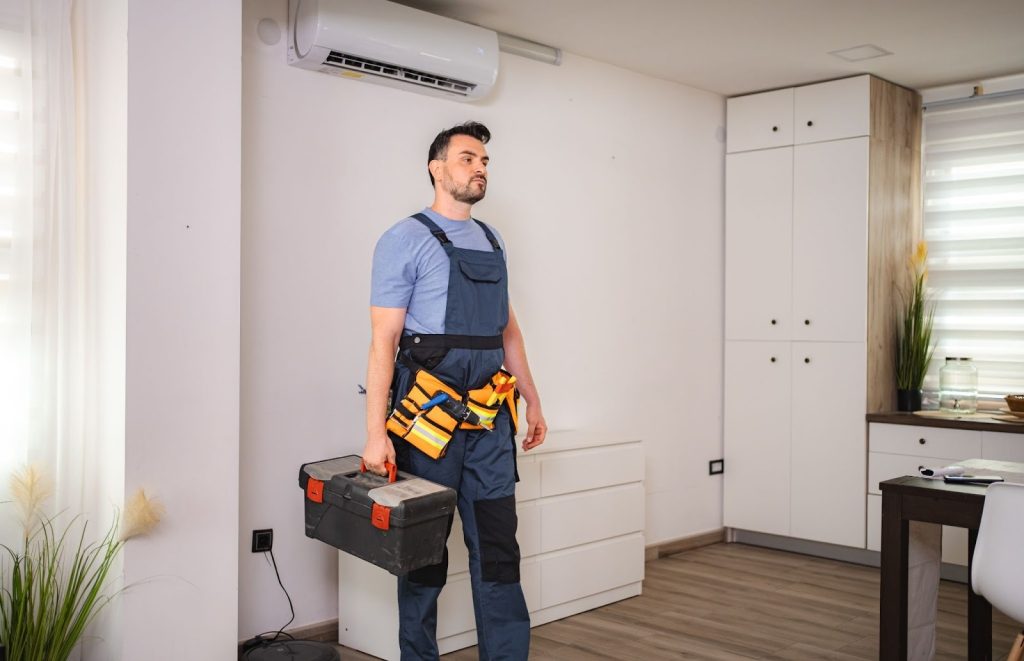
An HVAC service tech handles inspections, repairs, and maintenance of residential heating and cooling systems. This role includes diagnosing problems, performing repairs, and maintaining system efficiency. Homeowners rely on their expertise to maintain indoor environments that are stable and comfortable. Their work also helps prevent costly issues that can develop over time.
Daily Tasks in Residential HVAC Service
Each service visit begins with a careful assessment of systems that show signs of trouble. Technicians check thermostats, electrical connections, and airflow to identify the root cause. They listen to homeowner concerns and use that input to guide the inspection process. Once they identify the issue, they explain it in clear, simple terms. This explanation helps homeowners understand what needs attention and why repairs matter. Afterward, they complete repairs and test the system to confirm proper operation.
HVAC Installation and Setup Process
System installation starts with evaluating the home’s layout and heating and cooling demands. This evaluation helps determine the right equipment size and configuration. Proper connections for ductwork, wiring, and refrigerant lines follow with careful attention. After installation, testing confirms consistent airflow and accurate temperature control. This process ensures the system operates efficiently under normal conditions. Homeowners also receive guidance on operation and basic maintenance after setup.
Routine Inspections and Performance Checks
Routine maintenance focuses on keeping systems efficient and reliable throughout the year. This process includes cleaning coils, checking refrigerant levels, and inspecting moving parts. Safety controls are also tested to confirm proper system operation. This service helps identify minor issues before they develop into larger concerns. Regular inspections improve performance and reduce unexpected breakdowns. Homeowners benefit from fewer repairs and longer system lifespan.
How HVAC Techs Prevent System Damage
An HVAC service tech prevents system damage by identifying early signs of wear and hidden performance issues. This proactive approach focuses on stopping problems before they lead to costly repairs. Many system failures begin as small, unnoticed issues that worsen over time. Regular inspections allow technicians to catch these concerns before they disrupt comfort.
Detecting Early Signs of HVAC Wear
Early signs of wear often appear through subtle changes in system performance and sound. Technicians check belts, motors, and electrical connections for irregular behavior. They pay attention to unusual noises that homeowners may overlook during daily use. This attention helps reveal problems that do not yet affect overall performance. System cycles are also monitored to detect patterns that suggest strain. Early detection allows timely repairs that prevent further damage and extend system life.
Managing System Strain and Load Balance
System strain occurs when heating or cooling equipment works harder than necessary to maintain comfort. Technicians evaluate airflow, thermostat accuracy, and system sizing during inspections. Poor airflow or incorrect settings can increase pressure on internal components. This added strain leads to faster wear and reduced efficiency over time. Adjustments help balance system load and improve overall performance. Proper balance allows the system to operate smoothly without unnecessary stress.
Identifying Hidden Leaks and Electrical Issues
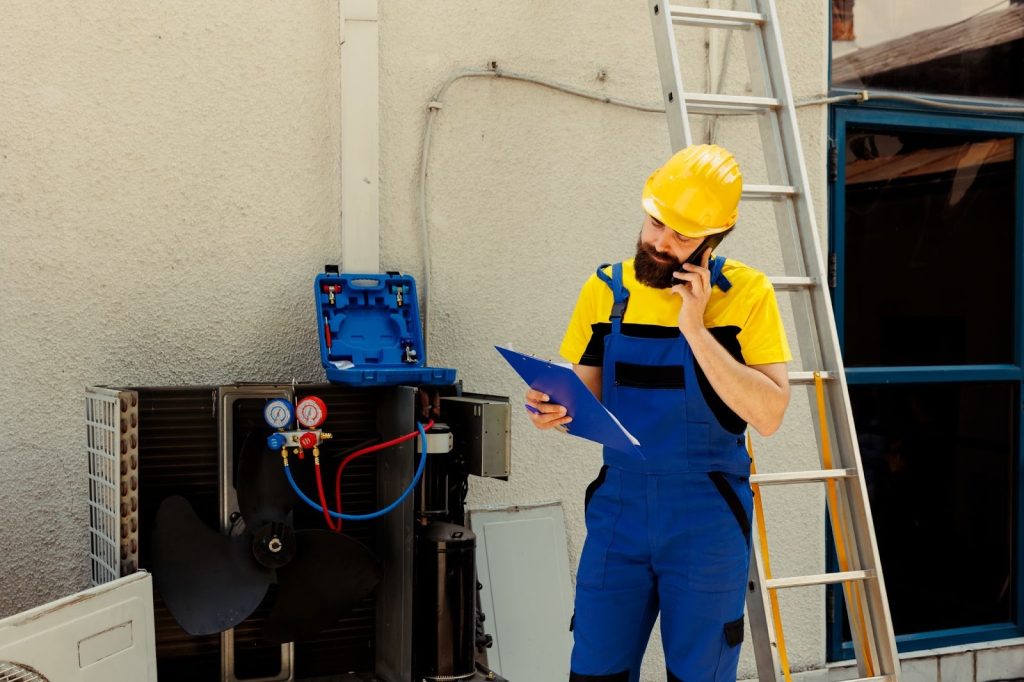
Hidden issues often develop in areas that are not visible during normal use. Technicians inspect refrigerant lines, electrical connections, and voltage levels for irregularities. Small leaks can reduce cooling performance and damage compressors over time. Faulty wiring may cause inconsistent operation and create safety concerns. This process helps resolve problems before they escalate into larger failures. Addressing hidden issues protects both system performance and household safety.
Preventing Premature Component Failure
Premature failure often results from minor issues that go unaddressed over time. Technicians tighten loose parts and replace worn materials during routine service. Small adjustments reduce friction and improve system efficiency. Cleaning buildup also prevents overheating and airflow restrictions. This maintenance improves the performance of critical components. Preventing early failure reduces repair costs and extends the system’s overall lifespan.
Skills Every HVAC Service Tech Must Have
An HVAC service tech builds expertise through technical training and hands-on experience. This background allows them to work safely with complex mechanical and electrical systems. Their skill set combines system knowledge with strong problem-solving ability. These abilities help them handle a wide range of residential HVAC issues.
Technical Training and Certifications
Technical training builds a strong foundation in system design, operation, and safety practices. Courses cover electrical systems, refrigeration cycles, and airflow dynamics in detail. Certifications confirm compliance with industry standards and safe handling procedures. These credentials often follow the Environmental Protection Agency’s guidelines for refrigerant management. Ongoing education keeps knowledge current as HVAC technology continues to evolve. This commitment supports accurate work and dependable service quality.
Diagnostic and Problem-Solving Skills
Accurate diagnosis depends on the ability to interpret system behavior and test results. Technicians use specialized tools to identify faults within heating and cooling equipment. They compare readings with expected performance levels to pinpoint issues. Experience helps narrow down possible causes without relying on guesswork. This approach reduces repair time and prevents recurring problems. Strong problem-solving skills improve system reliability and long-term performance.
Communication and Customer Care
Clear communication helps homeowners understand system conditions and recommended solutions. Technical details are explained in simple language to avoid confusion. Questions are answered honestly and practically, based on system needs. Respect for the home environment remains a priority during every service visit. Clean work habits reflect professionalism and attention to detail. Strong communication builds trust and improves the overall service experience.
Why HVAC Service Techs Matter
An HVAC service tech keeps indoor environments stable by maintaining system performance year-round. This role supports comfort, energy efficiency, and long-term system health. Homeowners depend on their work to avoid disruptions caused by system failures. Their services also help reduce operating costs and improve home value.
Year-Round Indoor Comfort Control
Consistent indoor comfort depends on systems that adapt to changing seasonal demands. Technicians adjust heating and cooling settings to match temperature shifts throughout the year. They check airflow and system balance to maintain even temperatures across all rooms. This approach reduces hot or cold spots that disrupt daily comfort. Reliable system performance supports a stable living environment year-round. Homeowners experience fewer interruptions when systems operate as expected.
Energy Efficiency and Cost Savings
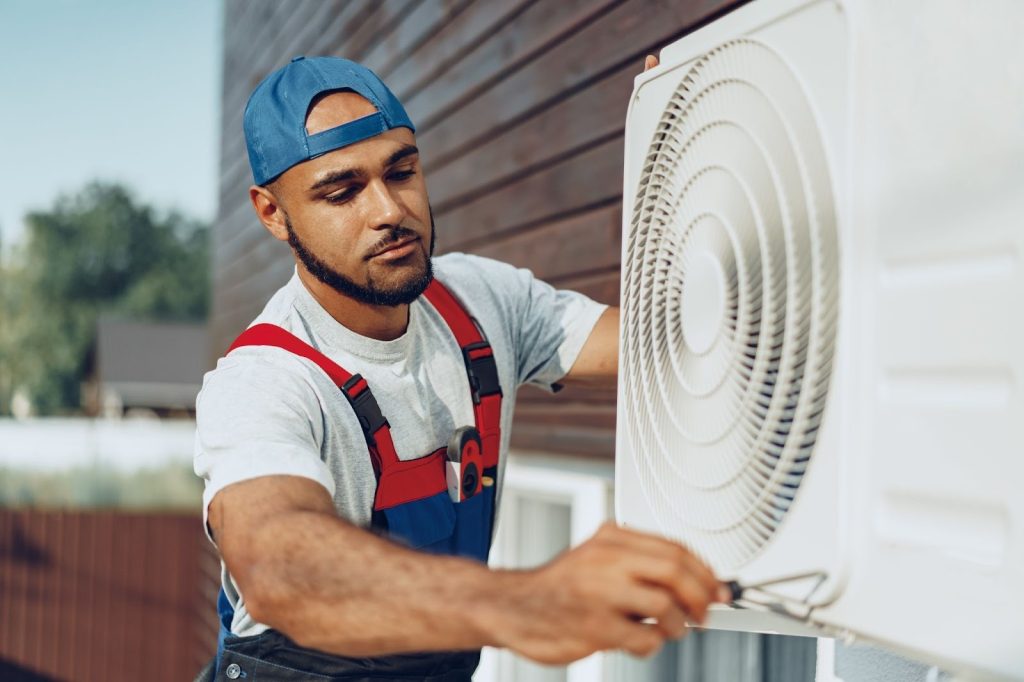
Efficient system operation helps control energy use and reduce monthly utility expenses. Technicians identify issues that cause systems to work harder than necessary. Restricted airflow or worn components often lead to higher energy consumption. Adjustments and repairs improve efficiency and reduce unnecessary strain on the system. Lower energy use results in more manageable utility costs over time. Efficient systems also support better long-term performance.
Extending HVAC System Lifespan
System lifespan improves when maintenance and timely repairs address wear before it worsens. Technicians focus on reducing stress on critical components during routine service. Minor issues are resolved before they affect larger parts of the system. This approach helps maintain consistent performance over several years. Homeowners benefit from fewer replacements and lower long-term expenses. Proper care supports reliable operation throughout the system’s lifecycle.
HVAC Services for Homeowners
An HVAC service tech provides a range of services that support system performance and reliability. This support includes maintenance, repairs, and system upgrades. Each service addresses specific needs that arise during system operation. Homeowners benefit from both immediate solutions and long-term care.
Seasonal HVAC Maintenance Services
Seasonal maintenance prepares heating and cooling systems for periods of heavier use. Technicians inspect internal components and clean parts that affect airflow and performance. Refrigerant levels are checked to support proper cooling operation. System controls are tested to confirm accurate temperature regulation. This process reduces the risk of unexpected breakdowns during extreme conditions. Regular maintenance improves efficiency and supports consistent system performance.
Emergency HVAC Repair Services
Unexpected system failures require quick attention to restore comfort and prevent further damage. Technicians respond by diagnosing the issue and identifying the most effective solution. Critical problems that affect heating or cooling receive immediate priority. Fast repairs help reduce downtime and limit additional strain on the system. Temporary fixes may be applied when full repairs need more time. Reliable repair service helps homeowners regain comfort without prolonged disruption.
HVAC System Replacement Options
System replacement becomes necessary when repairs no longer provide reliable performance. Technicians evaluate factors such as system age, efficiency, and repair frequency. Recommendations focus on equipment that fits the home’s size and energy needs. New systems often offer improved efficiency and better temperature control. Installation includes testing to confirm proper operation and performance. Homeowners also receive guidance on using new systems effectively.
Signs You Need HVAC Service Help
An HVAC service tech becomes necessary when systems show clear signs of trouble or reduced performance. This need often appears through changes in airflow, temperature, or energy use. Recognizing these signs helps homeowners address problems before they worsen. Timely service keeps systems reliable and efficient.
Strange Noises or System Odors
Unusual sounds often signal internal issues that require attention before they worsen. Grinding, rattling, or buzzing noises can point to loose or damaged components. Odors may indicate electrical problems or mold growth within the system. You should not ignore these warning signs, as they can lead to more complex damage. A professional inspection helps identify the source and prevent further issues. Prompt action keeps the system operating safely and efficiently.
Weak Airflow or Uneven Cooling
Poor airflow can disrupt comfort and indicate deeper system problems. Blocked ducts, clogged filters, or failing components often reduce air circulation. Uneven temperatures across rooms suggest an imbalance within the system. These issues force the system to work harder, increasing wear over time. Addressing airflow concerns restores balance and improves performance. Consistent airflow supports better temperature control throughout the home.
Rising Energy Bills Without Cause
Unexpected increases in energy bills often point to system inefficiency. Worn components or restricted airflow can cause higher energy consumption. Monitoring usage patterns helps identify changes that need attention. A professional evaluation can uncover hidden issues affecting performance. Corrective adjustments reduce energy waste and improve system efficiency. Lower energy costs follow when systems operate as intended.
Partner With an Experienced HVAC Service Tech
An HVAC service tech brings the expertise needed to keep your home comfortable and efficient year-round. Small system issues rarely stay minor, and delayed service often leads to higher repair costs. A skilled technician identifies concerns early and keeps your system running without disruption. Connect with a trusted professional today to maintain reliable comfort and protect your home investment.
Learn how to care for your system with confidence through the Tom Heating & Air blog, your source for trusted HVAC knowledge.