
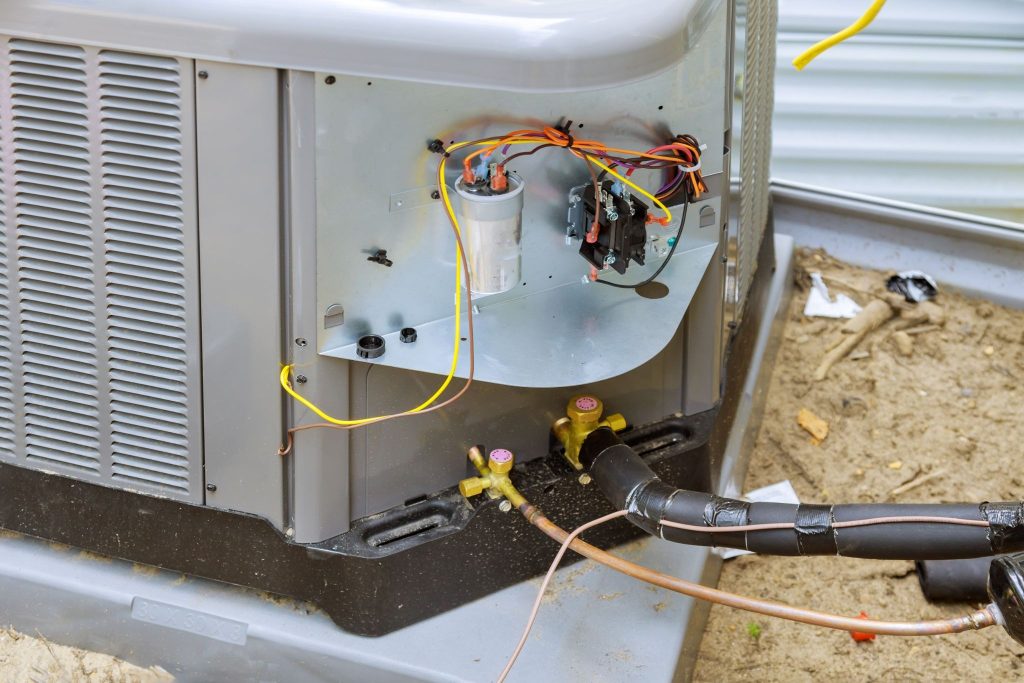
A home that fails to cool evenly often signals a deeper issue within the system. Many homeowners adjust thermostats or replace filters, yet hidden components can still limit performance. One of the most overlooked parts is the AC run capacitor, which supports steady motor operation. When this component weakens, airflow drops and cooling becomes inconsistent. Knowing how this small device affects your comfort can help you respond before problems grow.
Purpose of an AC Run Capacitor
An air conditioner relies on a steady electrical supply to keep motors running continuously. The AC run capacitor supports this process by delivering a consistent boost of energy. It helps maintain smooth operation while reducing strain on internal components. Without it, your system would struggle to keep a stable rhythm during cooling cycles.
How It Keeps AC Motors Running Smoothly
The AC run capacitor stores electrical energy and releases it in controlled bursts. This steady release helps the motor maintain a consistent speed during operation. As a result, the compressor and fan avoid sudden stops or uneven motion. The capacitor also balances voltage levels, which protects the motor from fluctuations. Over time, this stability reduces wear and supports longer equipment life. Homeowners often notice quieter performance and more even cooling when the capacitor works properly.
Why Your System Depends on This Part
Your air conditioner depends on coordinated motor activity to cool your home effectively. The capacitor supports both the compressor and fan motor during extended operation. Without it, these components would struggle to maintain steady movement. This issue leads to overheating and added stress on electrical parts. In many cases, the system may shut down to prevent further damage. Reliable capacitor function keeps cooling cycles consistent and helps control energy costs.
How an AC Run Capacitor Works
Inside your AC system, electrical components must work in sync for proper cooling. The AC run capacitor acts as a stabilizer, maintaining a smooth flow of energy. It interacts with alternating current to support continuous motor operation. This process allows your air conditioner to run efficiently without frequent interruptions.
The Science of Energy Storage
The capacitor stores energy in an electric field between two conductive plates. When power flows, it charges and holds that energy briefly. It then releases the stored energy steadily to the motor. This cycle repeats rapidly during operation, maintaining consistent movement. The alternating current system relies on this timing to keep motors spinning. Without this process, the motor would lose efficiency and struggle to stay active.
Components Connected to the Capacitor
The AC run capacitor connects directly to key parts of your system. These include the compressor motor and the condenser fan motor. In many units, a dual capacitor supports both components at once. This design saves space and simplifies wiring inside the unit. When the capacitor weakens, both motors may show signs of trouble. You may notice reduced airflow or inconsistent cooling as a result.
Role in Long Cooling Cycles
Air conditioners often run for extended periods during warm weather. The capacitor enables continuous operation by maintaining a steady flow of energy. This process reduces strain on motors that would otherwise be frequently starting and stopping. Consistent motion helps maintain even indoor temperatures throughout the home. It also prevents overheating caused by unstable power delivery. Over time, this steady support improves overall system reliability.
Types of AC Run Capacitors
Not all capacitors are identical, and different systems use different designs. Understanding these types helps homeowners recognize what their system needs. Each type serves a similar purpose but varies in structure and application. Knowing the difference can help when repairs or replacements become necessary.
Single vs Dual Run Capacitors
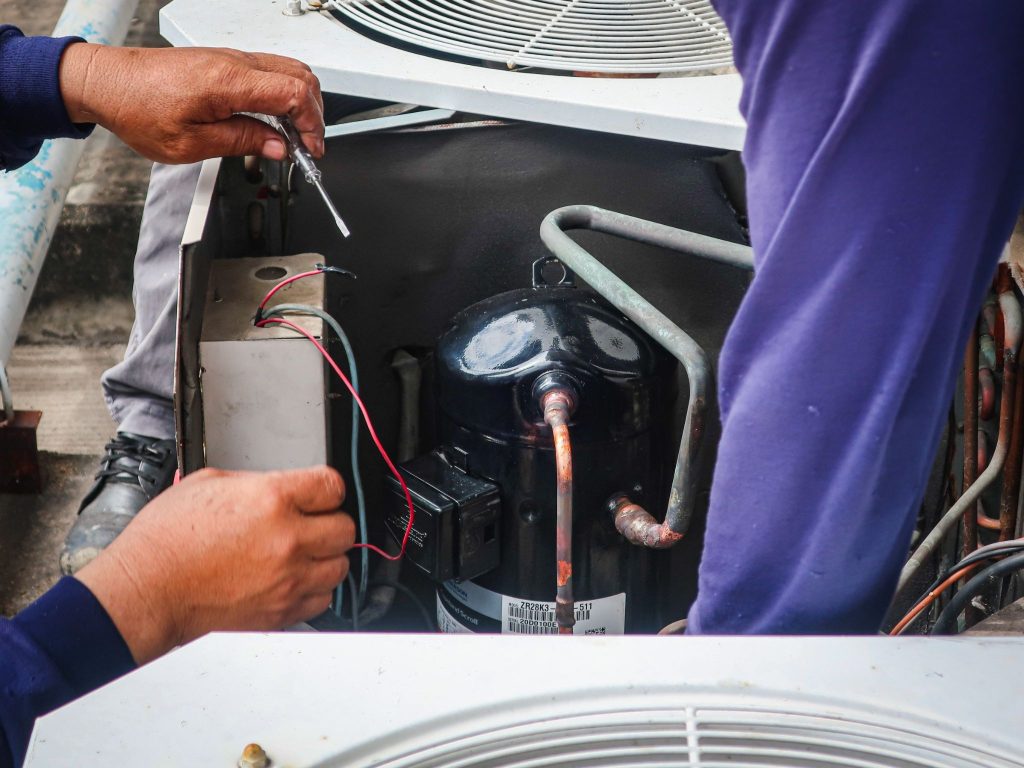
A single run capacitor supports one motor, usually the fan or compressor. In contrast, a dual run capacitor combines both components into a single unit. This combined design is common in modern residential systems. It reduces the number of parts and simplifies installation. Homeowners often find dual capacitors more convenient for maintenance. Identifying your type usually involves checking the label inside the outdoor unit.
Understanding Capacitor Ratings
Capacitors come with specific ratings that define their performance limits. The microfarad rating indicates how much energy the capacitor can store. Voltage ratings indicate the maximum electrical load it can safely handle. Using the correct ratings is critical for proper system operation. A mismatch can lead to poor performance or equipment damage. Always match replacement parts to the original specifications for best results.
Choosing the Right Replacement
Selecting the correct capacitor requires careful attention to detail. The label on your existing unit provides key information for replacement. It includes both microfarad and voltage ratings. Choosing a compatible part helps maintain system efficiency. Incorrect parts may cause motors to overheat or fail. When in doubt, consulting a technician can prevent costly mistakes.
Effects of Incorrect AC Run Capacitor
An incorrect AC run capacitor can reduce system efficiency and damage internal components. This issue often occurs when replacement parts do not match the required ratings. Even small differences in microfarad or voltage values can affect motor performance. Homeowners may not notice the problem immediately, but performance often declines over time.
How Wrong Capacitor Ratings Impact Performance
Using the wrong AC run capacitor disrupts the electrical flow balance within the system. This mismatch forces the motors to work harder than intended, increasing heat and wear. The compressor may struggle to maintain proper pressure, leading to uneven cooling. The fan motor may also spin at inconsistent speeds, reducing airflow. Over time, this strain can shorten the lifespan of key components. According to HVAC service data, incorrect capacitor sizing often leads to higher repair frequency and energy use.
Long-Term Damage from Incorrect Capacitors
An incorrect AC run capacitor can cause gradual damage that worsens over time. This condition stresses internal components beyond their normal operating limits. The compressor may overheat and lose efficiency over time. Electrical connections may also weaken due to unstable voltage flow. These issues can lead to repeated breakdowns and higher repair costs. Addressing capacitor mismatches early helps protect system performance and reduce long-term expenses.
Signs of a Failing AC Run Capacitor
Problems with an AC run capacitor often appear gradually. Homeowners may notice subtle changes before a full breakdown occurs. Recognizing these signs can help prevent further damage. Paying attention to system behavior can save time and money.
Common Warning Symptoms
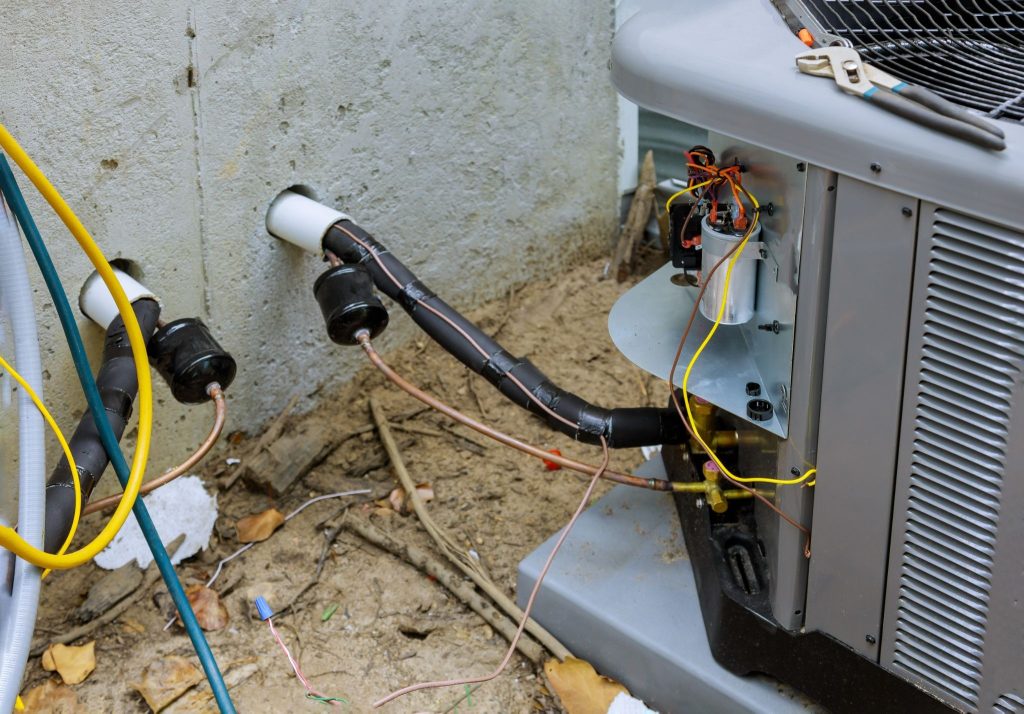
A struggling air conditioner often points to capacitor trouble. You may hear a humming sound when the system tries to start. In some cases, the unit runs but fails to cool properly. Warm air may circulate instead of cool air. The system might also turn on and off unexpectedly. Rising energy bills can also signal reduced efficiency.
Effects on Cooling Performance
When the capacitor weakens, motors lose their ability to run smoothly. This problem leads to uneven airflow and inconsistent temperatures indoors. The compressor may struggle to maintain pressure levels. As a result, your home may never reach the desired temperature. Cooling cycles may become longer and less effective. Over time, this added strain affects overall system performance.
Risks of Ignoring the Issue
Ignoring capacitor problems can lead to costly repairs. A failing capacitor can damage the compressor, which is one of the most expensive parts. Motors may overheat and fail, resulting in a complete system shutdown. Repair costs often rise when problems go unchecked. Addressing the issue quickly can help avoid these outcomes.
Causes of Capacitor Failure
Several factors can shorten the life of an AC run capacitor. Understanding these causes helps homeowners take preventive steps. Environmental conditions and electrical issues often contribute to failure. Regular awareness can reduce the risk of unexpected breakdowns.
Heat and Environmental Stress
Outdoor units are constantly exposed to heat and weather changes. High temperatures can weaken the capacitor’s internal components. Over time, this leads to reduced performance and eventual failure. Dust and debris can also trap heat inside the unit. Poor airflow around the system worsens the problem. Keeping the area clean helps reduce environmental stress.
Electrical Issues and Power Surges
Power fluctuations can damage sensitive electrical components. Sudden surges place extra stress on the capacitor. Over time, repeated exposure weakens its ability to store energy. Faulty wiring can also contribute to inconsistent voltage levels. These conditions increase the risk of failure. Installing surge protection can help reduce electrical damage.
Wear from Regular Use
Every AC system experiences natural wear over time. The capacitor works continuously during each cooling cycle. This constant activity gradually reduces its effectiveness. Most capacitors have a limited lifespan, after which they need to be replaced. Signs of aging may appear before complete failure. Routine inspections can help identify these changes.
Replacing an AC Run Capacitor
When a capacitor fails, a replacement is necessary to restore proper function. This process involves handling electrical components with care. Homeowners should understand the risks before attempting repairs. In many cases, professional help provides a safer solution.
Can You Replace It Yourself
Some homeowners consider replacing the capacitor themselves. While it may seem simple, the process carries electrical risks. Capacitors can hold a charge even after power is turned off. Improper handling can lead to injury or further damage. Basic tools and knowledge are required for safe replacement. Without experience, mistakes can become costly.
When to Call a Professional
Professional HVAC technicians bring experience and proper equipment to the job. They can diagnose issues accurately before replacing parts. This approach reduces the chance of unnecessary repairs. Technicians also match the correct capacitor to your system. Proper installation supports long-term reliability. Calling a professional often saves time and prevents complications.
Restore AC Run Capacitor Performance
An AC system rarely fixes itself when performance starts to slip. Small components like the AC run capacitor often drive those changes behind the scenes. Ignoring subtle signs can lead to higher costs and reduced comfort over time. A quick check or professional service can prevent further strain on the system. Keeping this component in proper condition helps maintain steady cooling when you need it most.
Get clear answers and practical HVAC insights—visit the Tom Heating & Air blog and stay informed before issues escalate.