Comfort at home depends on how well your heating and cooling system performs each day. Many homeowners notice rising energy bills, uneven temperatures, or weak airflow over time. These signs often point to underlying issues that need attention. Regular system maintenance helps correct these problems by improving efficiency and restoring balance. It also supports consistent comfort while reducing the chances of unexpected disruptions.
What HVAC Servicing Includes for Home Systems
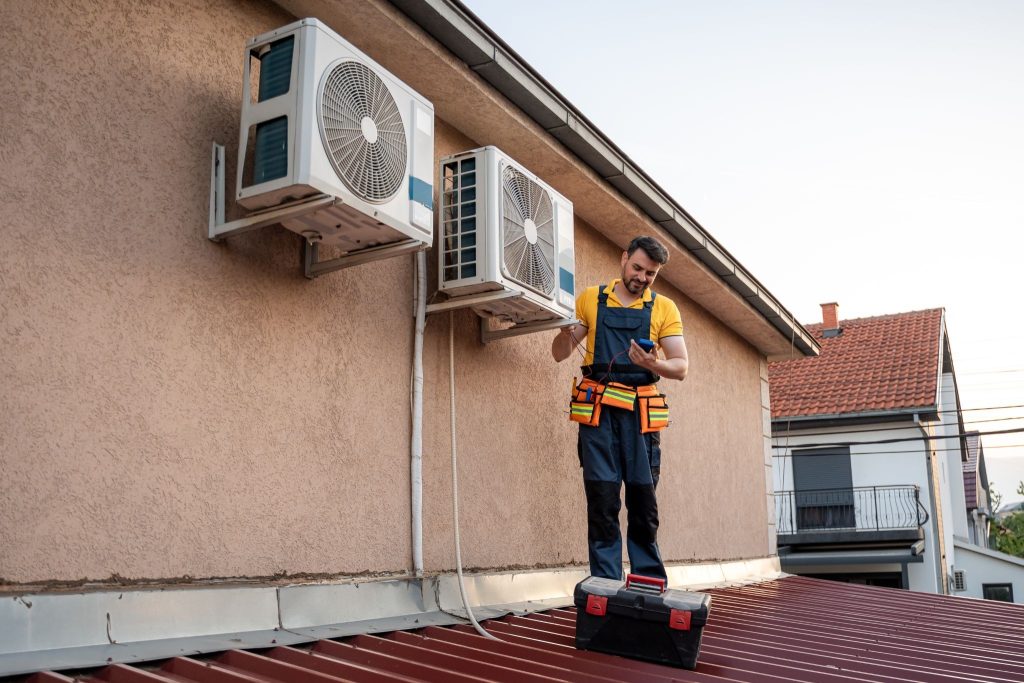
HVAC servicing covers a full inspection, cleaning, and adjustment of heating and cooling components to keep the system running properly. Technicians check filters, coils, and duct connections to remove buildup that restricts airflow. They also test electrical parts, thermostat accuracy, and refrigerant levels to confirm safe operation. This process helps detect small issues before they develop into costly repairs. It also improves energy use, airflow balance, and indoor air quality. With regular servicing, homeowners maintain reliable comfort and extend the life of their HVAC system.
Issues Solved Through HVAC Servicing
Many HVAC systems develop problems that affect comfort, efficiency, and reliability over time. These issues often remain unnoticed until performance declines or energy costs increase. HVAC servicing targets these concerns by correcting faults and restoring system balance. Understanding these common problems helps homeowners see the value of regular maintenance and timely service.
Airflow and Distribution Problems
Airflow problems often begin with blocked filters or restricted ducts that limit circulation. These issues reduce comfort and force the system to work harder than needed. Professional maintenance corrects these imbalances by restoring proper airflow paths. As a result, the system delivers consistent air distribution throughout the home.
Weak Airflow and Vent Blockages
Weak airflow results from restricted air movement within the system. Dust buildup, clogged filters, and blocked vents limit airflow through ducts. HVAC servicing addresses these restrictions through cleaning and inspection. Technicians replace filters and clear debris from airflow pathways. This process restores steady airflow throughout all rooms. As airflow improves, the system delivers consistent comfort without overworking components.
Uneven Room Temperatures Explained
Uneven temperatures occur when airflow distribution becomes imbalanced. Some rooms receive less conditioned air due to leaks or poor duct design. HVAC servicing identifies these imbalances and corrects them through system adjustments. Technicians inspect ducts, seal leaks, and balance airflow output. This approach helps maintain consistent temperatures throughout the home. Homeowners notice fewer hot or cold spots after servicing.
Thermostat Accuracy and Response
Thermostat issues often disrupt airflow and system timing. Incorrect readings can cause longer cycles or uneven cooling. HVAC servicing includes calibrating the thermostat for accurate temperature control. Technicians also check sensor placement and wiring connections. This process improves communication between the thermostat and HVAC unit. Accurate readings help the system respond efficiently to indoor conditions.
Energy Efficiency and Performance
Energy inefficiencies often develop when system components become dirty or worn. These issues increase energy use while reducing heating and cooling output. Regular maintenance improves efficiency by addressing these hidden problems. Over time, the system operates with less strain and better performance.
Rising Energy Bills and Hidden Causes
Higher energy bills often reflect reduced HVAC efficiency. Dirty coils and clogged components force the system to run longer. HVAC servicing removes buildup that limits performance and increases consumption. Technicians clean coils and inspect internal parts for obstructions. This process improves heat transfer and airflow efficiency. Homeowners often see lower energy costs after servicing.
Overworked Components and System Load
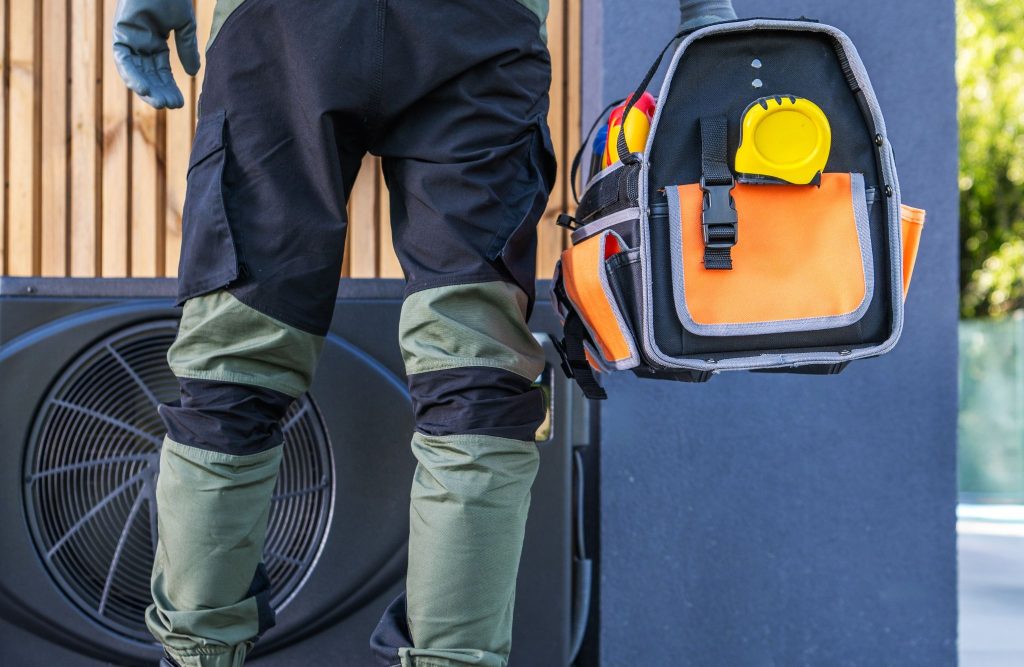
An overworked HVAC system experiences increased wear and reduced lifespan. Components such as motors and compressors handle greater strain under poor conditions. HVAC servicing reduces this load by cleaning and adjusting key parts. Technicians lubricate moving components and correct alignment issues. This approach allows the system to operate with less effort. Reduced strain improves efficiency and extends system life.
Reduced Heating and Cooling Output
Reduced output occurs when systems cannot maintain desired temperatures. This issue often results from airflow problems or mechanical wear. HVAC servicing restores output by addressing these underlying causes. Technicians check refrigerant levels and clean system coils. This process supports better heat exchange and temperature control. As a result, the system delivers stronger and more consistent performance.
Indoor Air Quality and Comfort
Indoor air quality declines when dust, moisture, and airflow issues build up over time. These problems affect both comfort and overall health inside the home. Maintenance improves air quality by removing contaminants and balancing airflow. Cleaner air supports a healthier and more comfortable living environment.
Dust and Allergen Buildup Removal
Dust and allergens accumulate inside filters and duct systems over time. This buildup spreads throughout the home during system operation. HVAC servicing removes these contaminants through cleaning and filter replacement. Technicians inspect ducts and vents for hidden debris. This process improves airflow while reducing airborne particles. Cleaner air supports better breathing and overall comfort.
Poor Ventilation and Stale Air
Stale air develops when ventilation becomes restricted or unbalanced. Limited airflow prevents fresh air from circulating effectively. HVAC servicing improves ventilation by clearing blockages and adjusting airflow settings. Technicians examine vents and confirm proper air exchange. This process helps distribute fresh air throughout the home. Improved ventilation creates a more comfortable indoor environment.
Moisture Control and Mold Prevention
Moisture inside HVAC systems can lead to mold growth and odors. Standing water or clogged drains often cause these issues. HVAC servicing addresses moisture problems by cleaning drain lines and checking humidity levels. Technicians inspect components for signs of water buildup. This process reduces the risk of mold and related health concerns. Balanced humidity helps maintain cleaner indoor air.
Breakdowns and System Failures
System failures often result from gradual wear and overlooked maintenance needs. These problems can lead to sudden breakdowns and costly repairs. Routine servicing identifies issues early and keeps the system stable. This approach helps maintain reliable performance throughout the year.
Preventing Unexpected Breakdowns
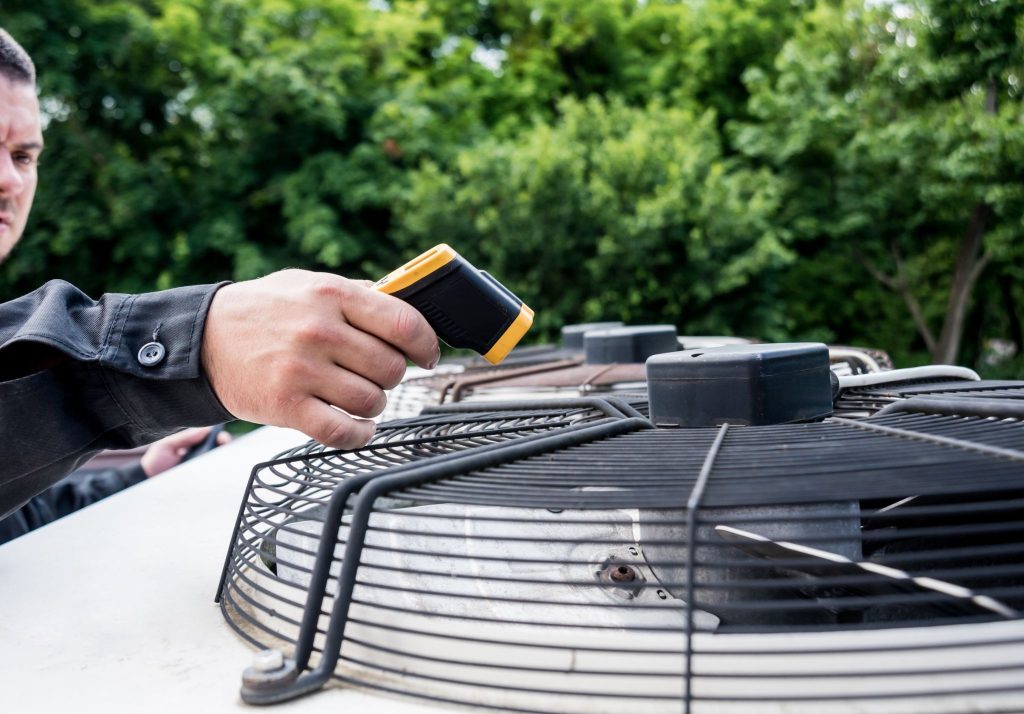
Unexpected breakdowns usually result from neglected maintenance or worn parts. HVAC servicing detects these issues before they escalate. Technicians inspect critical components such as motors and belts. This process allows them to replace worn parts before failure occurs. Early detection reduces the risk of system shutdowns. Homeowners benefit from fewer disruptions and repair calls.
Refrigerant Leaks and Cooling Loss
Refrigerant leaks reduce cooling efficiency and system performance. Low refrigerant levels can cause warm air and ice buildup on coils. HVAC servicing identifies leaks through inspection and testing. Technicians repair leaks and restore proper refrigerant levels. This process protects the system from further damage. Proper levels ensure consistent, efficient cooling.
Electrical Wear and Component Failure
Electrical issues often develop as components age and connections loosen. Faulty wiring or worn parts can disrupt system operation. HVAC servicing includes testing electrical systems for safety and performance. Technicians secure connections and replace damaged components. This process reduces the risk of sudden electrical failure. Reliable electrical function supports consistent HVAC operation.
Noise and Comfort Disturbances
Noise issues often signal internal problems that affect system stability. These disturbances can disrupt comfort and indicate worn components. Maintenance identifies the source of unusual sounds and corrects them. A quieter system improves both comfort and reliability.
Strange Sounds and Vibrations Causes
Strange noises, such as rattling or buzzing, often come from loose parts. Worn components can also create grinding or vibrating sounds. HVAC servicing identifies the source of these noises during inspection. Technicians tighten connections and replace damaged parts. This process reduces friction and stabilizes system operation. Quiet performance improves overall home comfort.
Frequent Cycling and System Imbalance
Frequent cycling occurs when the system turns on and off too often. This issue often results from thermostat problems or airflow imbalance. HVAC servicing corrects these issues through system adjustments and calibration. Technicians test cycle timing and inspect airflow patterns. This process helps maintain steady system operation. Balanced cycling improves comfort and reduces energy use.
How HVAC Servicing Reveals Insulation Gaps
HVAC servicing often uncovers insulation gaps that reduce comfort and increase energy use. These gaps allow conditioned air to escape and outdoor air to enter. This imbalance forces the system to work harder to maintain stable temperatures. Identifying these weak points helps improve both efficiency and indoor comfort.
Air Leaks That Strain HVAC Systems
Air leaks occur when insulation fails to properly seal walls, attics, or ductwork. These openings let cooled or heated air escape before it reaches living spaces. HVAC servicing helps detect these leaks during airflow and performance checks. Technicians often notice uneven temperatures or pressure imbalances that signal insulation problems. This process allows homeowners to address hidden inefficiencies that affect comfort. Sealing these gaps reduces system strain and supports better temperature control.
Insulation Gaps and Energy Loss
Insulation gaps increase energy loss by allowing constant heat transfer between indoor and outdoor spaces. This issue makes HVAC systems run longer to maintain desired temperatures. HVAC servicing reveals these inefficiencies through performance testing and system analysis. Technicians may recommend insulation improvements based on airflow and energy patterns. This step helps reduce wasted energy and stabilize indoor conditions. Improved insulation supports consistent performance and lower utility costs.
Improving Comfort Through Insulation Checks
Comfort improves when insulation supports proper airflow and temperature retention. Poor insulation often causes drafts and uneven heating or cooling. HVAC servicing highlights these issues during routine inspections. Technicians evaluate how insulation affects system performance across different areas. This process helps identify rooms that lose conditioned air quickly. Addressing insulation gaps creates a more stable and comfortable indoor environment.
Maintain System Health With HVAC Servicing
Small system issues often build quietly until they affect comfort and energy use. Professional HVAC services keep each component working as intended while reducing hidden strain. This care helps prevent disruptions that interrupt daily routines and increase costs. A consistent service routine supports steady performance and protects your home’s comfort over time.
.Get a better understanding of your home’s comfort system. Explore the Tom Heating & Air blog for expert guidance you can actually use.