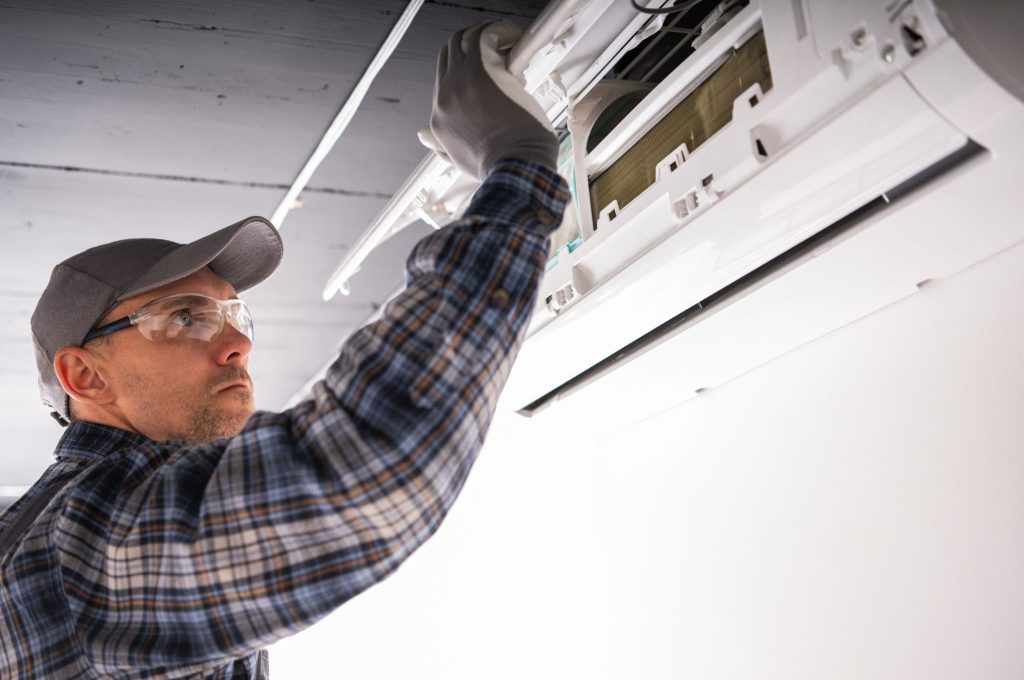
Indoor comfort depends on more than just cold air in summer or heat in winter. Homeowners often notice HVAC issues after energy bills rise or airflow weakens. HVAC service technicians inspect, repair, maintain, and install systems that regulate indoor temperatures and air quality. Their work also protects equipment from premature wear, which can lead to costly replacements. Skilled technicians keep residential heating and cooling systems running safely, efficiently, and consistently year-round.
Why Professional HVAC Service Matters
Heating and cooling systems operate under constant pressure throughout changing seasonal conditions every year. HVAC services cover more than repairs because they include airflow testing, maintenance, safety inspections, and system performance evaluations. Small mechanical issues often spread quickly when neglected, especially during heavy equipment use. Dirty components, restricted airflow, and electrical irregularities gradually reduce comfort and increase operating costs indoors. Professional inspections identify these concerns early through detailed testing and preventive maintenance procedures. Consistent HVAC services help homeowners protect indoor comfort while reducing long-term repair expenses.
What Services Do HVAC Technicians Provide?
Heating and cooling systems require more attention than most homeowners realize during daily operation. HVAC service technicians manage airflow, electrical components, safety checks, and system performance throughout every season. Many hidden issues develop gradually inside residential HVAC equipment before visible symptoms appear indoors. Understanding these responsibilities helps homeowners recognize how professional HVAC service protects comfort, efficiency, and long-term system reliability.
Complete Heating and Cooling Inspections
Heating and cooling inspections help identify hidden issues before systems lose efficiency or fail unexpectedly. HVAC service technicians inspect electrical components, airflow levels, refrigerant lines, and thermostat performance during routine evaluations. These inspections also reveal worn parts that may increase energy costs or reduce indoor comfort over time.
Heating and Cooling Component Checks
HVAC service technicians inspect furnaces, air conditioners, and heat pumps during scheduled service appointments. They examine motors, capacitors, wiring, and blower assemblies for damage or loose electrical connections. Refrigerant lines receive close attention because leaks reduce cooling efficiency and continuously strain system components. Technicians also inspect condenser and evaporator coils for dirt buildup that affects heat transfer performance. Dirty coils force heating and cooling systems to work harder throughout daily operation. These inspections help identify mechanical problems early, before they cause larger failures that affect system reliability.
Airflow and Ventilation Testing
Airflow testing helps maintain balanced temperatures and proper air circulation throughout the home interior. HVAC service technicians inspect ductwork for leaks, disconnected joints, and crushed sections that restrict airflow. Poor ventilation often causes uneven temperatures, higher utility bills, and stale indoor air. Technicians also inspect air vents and return registers for dust buildup and circulation blockages. Airflow measurements help identify hidden efficiency issues that affect indoor heating and cooling performance. These ventilation evaluations support healthier indoor air quality and more reliable HVAC operation year-round.
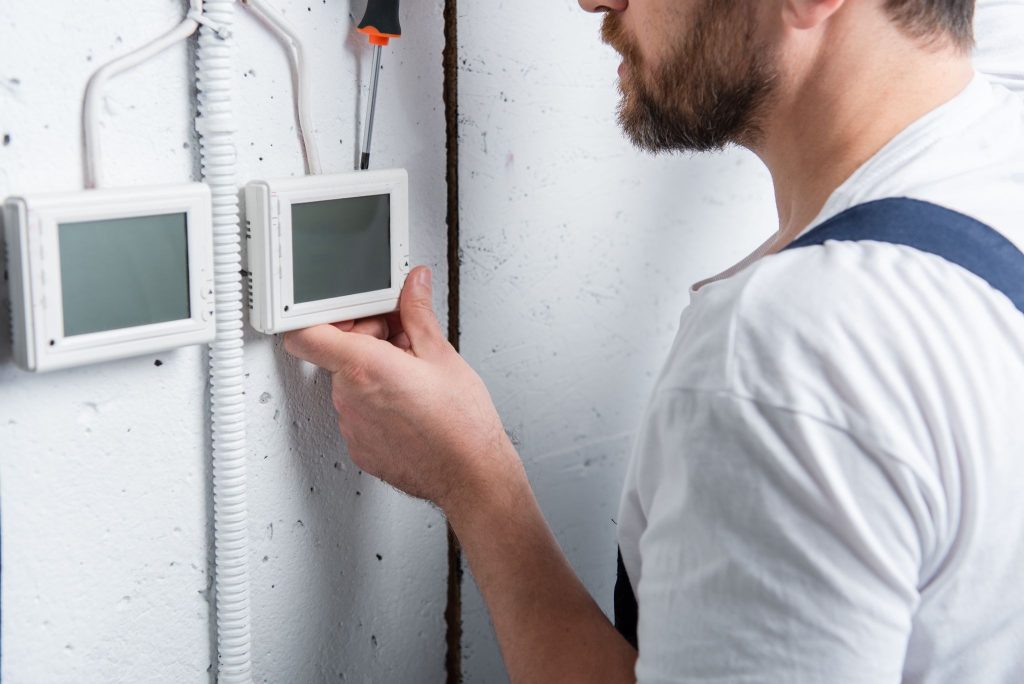
Thermostat and Control Inspections
Thermostat inspections help confirm accurate temperature control throughout residential heating and cooling systems. HVAC service technicians test thermostat calibration, wiring connections, and communication settings during inspections. Faulty thermostat readings often cause short cycling and uneven indoor temperatures throughout the home. Technicians also inspect programmable settings that affect energy efficiency and daily system operation. Smart thermostat systems receive software and connectivity checks to support reliable performance indoors. These inspections help homeowners maintain consistent comfort while avoiding unnecessary strain on their HVAC systems.
Preventive HVAC Maintenance Services
Preventive maintenance keeps heating and cooling systems operating efficiently throughout changing seasonal conditions. HVAC service technicians clean, adjust, and test important system components during maintenance visits. Regular service appointments reduce mechanical strain while lowering the risk of unexpected equipment failures.
Cleaning HVAC Parts and Components
Heating and cooling systems collect dirt and debris that gradually affect overall performance and airflow. HVAC service technicians clean evaporator, condenser, and blower assemblies during maintenance appointments. Dirty components reduce efficiency and force HVAC systems to consume more energy. Technicians also replace clogged air filters that restrict airflow and affect indoor air quality. Drain lines receive cleaning to prevent moisture buildup and water damage near HVAC equipment. These maintenance procedures improve system efficiency and ensure more dependable heating and cooling performance.
HVAC Efficiency and Safety Testing
System testing helps confirm proper HVAC performance after maintenance procedures are completed successfully. HVAC service technicians measure refrigerant levels to verify accurate cooling operation throughout the system. Incorrect refrigerant levels often reduce efficiency and can damage compressors over time. Technicians also inspect electrical components for signs of overheating and unstable voltage readings. Gas furnaces receive combustion safety checks to identify ignition issues and carbon monoxide concerns. These performance evaluations help homeowners maintain safer and more energy-efficient heating and cooling systems.
Seasonal HVAC Tune-Up Services
Seasonal tune-ups prepare heating and cooling systems for heavier use during extreme weather conditions. HVAC service technicians inspect moving components that experience additional strain during seasonal operation. They also tighten electrical connections and inspect safety controls before demand increases significantly. Lubricating moving parts helps reduce friction, which can cause premature wear in HVAC equipment. Technicians also inspect outdoor units for debris that may block airflow and reduce efficiency. These seasonal tune-ups help homeowners maintain dependable comfort as temperatures change.
Heating and Cooling Repair Services
Heating and cooling systems wear down over years of constant operation and seasonal demand. HVAC service technicians diagnose mechanical and electrical issues using specialized tools and technical experience. Fast repairs help restore indoor comfort before problems spread through additional system components. Professional repair work also reduces the risk of repeated breakdowns and higher repair expenses later.
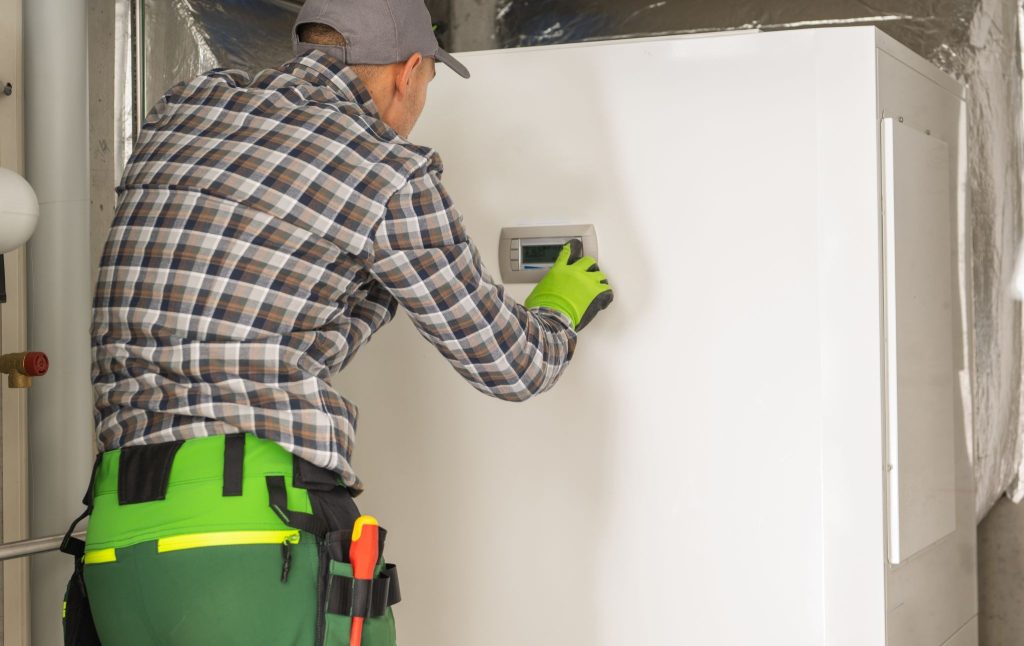
Air Conditioner Repair Services
Air conditioning systems often lose efficiency due to refrigerant leaks or internal electrical problems. HVAC service technicians diagnose compressor failures, damaged capacitors, and airflow restrictions during repair appointments. Frozen evaporator coils may indicate a blocked airflow or a refrigerant imbalance in the cooling system. Technicians also inspect blower motors and electrical wiring to locate the source of system failures. Refrigerant leaks require immediate repair because they continuously increase the strain on air conditioning equipment. These repair services help homeowners restore consistent indoor cooling during warmer seasonal temperatures.
Furnace and Heating System Repairs
Furnace repairs help restore heating performance when systems produce weak airflow or inconsistent temperatures indoors. HVAC service technicians inspect burners, ignition systems, and heat exchangers for mechanical or safety concerns. Cracked heat exchangers may release harmful gases, significantly affecting household air quality. Technicians also repair malfunctioning thermostats that interrupt normal heating cycles and temperature control. Blower motor problems often reduce airflow, leading to uneven heating throughout residential spaces. These heating repair services improve comfort while supporting safer furnace operation during colder months.
Electrical HVAC Repair Services
Electrical problems often cause sudden HVAC shutdowns and inconsistent indoor heating or cooling performance. HVAC service technicians inspect wiring, relays, capacitors, and circuit boards during electrical repair appointments. Damaged electrical components may pose overheating risks and lead to higher energy consumption over time. Technicians also test voltage levels to identify unstable electrical flow affecting system performance. Burned wires and faulty contactors often prevent HVAC systems from starting correctly. These electrical repairs help homeowners restore reliable operation while reducing safety concerns.
Emergency Heating and Cooling Repairs
HVAC service technicians respond quickly to sudden breakdowns caused by electrical or mechanical failures. Fast repair service helps homeowners reduce discomfort and prevent further damage to their indoor systems. Emergency HVAC support also protects households from safety risks connected to malfunctioning heating and cooling equipment.
Emergency Heating and Cooling Repairs
Sudden HVAC failures often interrupt airflow, temperature control, and overall indoor comfort throughout residential spaces. HVAC service technicians inspect thermostats, circuit breakers, and electrical wiring during emergency service appointments. Refrigerant leaks and frozen coils also require immediate attention to restore cooling performance safely. Furnace failures may involve ignition problems, overheating, or damaged internal blower components. Technicians explain repair options clearly as they work to restore efficient heating and cooling. These emergency services help homeowners avoid prolonged discomfort during severe weather.
HVAC Safety Inspection Services
Safety inspections help identify hazardous HVAC conditions before they threaten household health or property. HVAC service technicians inspect systems immediately after homeowners notice gas smells or burning odors indoors. Carbon monoxide concerns also require urgent furnace testing and ventilation inspections during emergency visits. Electrical failures may create overheating risks that damage HVAC equipment and surrounding components. Technicians carefully shut down unsafe systems before completing repair procedures or following replacement recommendations. These HVAC safety inspections help protect homeowners from serious heating and cooling hazards.
Why HVAC Problems Often Go Unnoticed
Many HVAC issues develop quietly, long before homeowners notice weak airflow or inconsistent indoor temperatures. HVAC service technicians often discover hidden problems during inspections that homeowners would never detect on their own. Small refrigerant leaks, clogged drain lines, and airflow restrictions usually worsen slowly over time. These hidden issues increase energy costs and continuously strain heating and cooling equipment. Technicians identify these warning signs early through performance testing, airflow measurements, and detailed system evaluations. This preventive approach helps homeowners avoid sudden breakdowns, costly repairs, and premature system replacement.
Schedule HVAC Service Before Problems Grow
Heating and cooling systems often exhibit subtle warning signs before larger problems affect daily indoor comfort. HVAC service technicians identify issues early through inspections, maintenance, and performance testing. Delaying professional service may increase repair costs, reduce energy efficiency, and shorten equipment lifespan. Routine HVAC care helps homeowners maintain reliable comfort, cleaner indoor air, and safer system operation year-round.
Visit the Tom Heating & Air blog for expert HVAC advice that helps homeowners avoid costly system problems.