
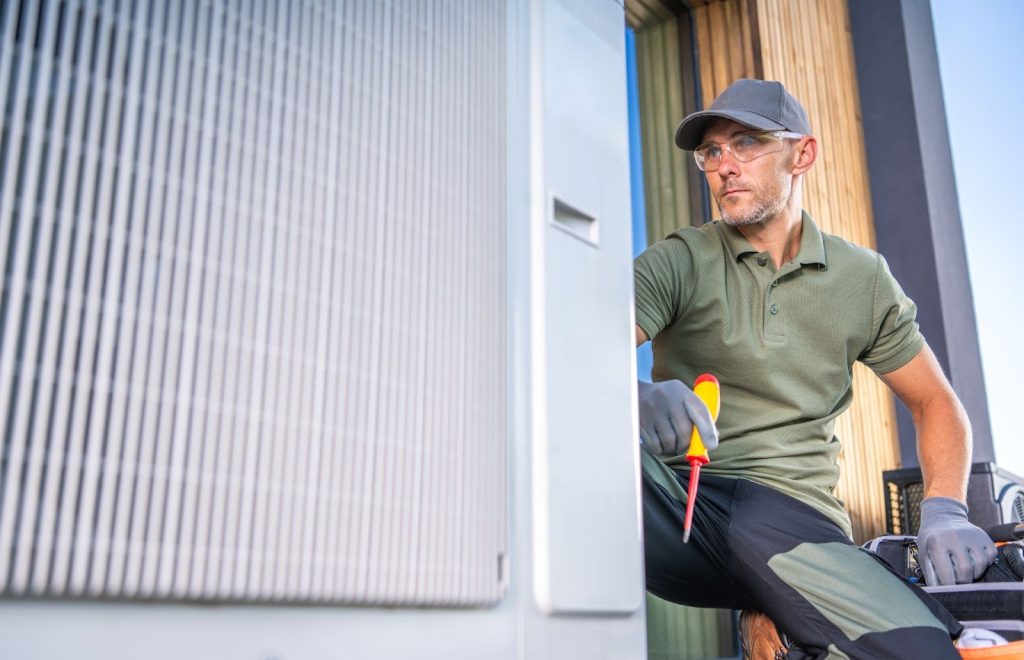
Homeowners expect modern heating systems to provide comfort, lower energy bills, and steady performance. These results depend heavily on the quality of heat pump installers handling the project. Poor craftsmanship can limit efficiency, even when the equipment itself is reliable. Skilled installers, however, create systems that run smoothly and last longer with fewer issues. The right choice affects daily comfort, energy use, and long-term value in your home.
Why Heat Pump Installers Matter
Heat pump installers directly influence how well your system performs and how long it lasts. Their work affects airflow, system balance, and overall efficiency from the first day of operation. Even advanced equipment can struggle if installation is imprecise or poorly set up. Professional standards from organizations like North American Technician Excellence highlight how proper installation improves system performance and reliability.
Installation Quality and Performance
Installation quality determines how effectively a heat pump heats and cools your home. Poor airflow setup can reduce comfort and create uneven temperatures across rooms. Incorrect refrigerant levels may strain components and increase system wear over time. Skilled installers follow tested procedures to balance airflow and accurately calibrate system settings. They check electrical connections and verify system output before completing the job. This process leads to steady performance, lower energy use, and fewer service issues.
Long-Term Costs and Efficiency
Installation decisions affect long-term operating costs and system lifespan. Inefficient systems often consume more energy, resulting in higher monthly utility bills. Poor setup may also lead to frequent repairs or early system replacement. Experienced heat pump installers reduce these risks through proper planning and execution. They focus on efficiency from the start, which supports consistent performance over time. This approach helps homeowners avoid unexpected expenses and maintain reliable comfort.
How to Choose Qualified Heat Pump Installers
Finding the right professional starts with understanding what separates average service from dependable workmanship. Many contractors offer similar services, yet their approach and attention to detail can vary widely. Homeowners often notice these differences only after installation is complete. Clear criteria help you evaluate installers before committing. These factors explain what to look for when comparing heat pump installation services.
Required Certifications and Credentials
Credentials confirm that a contractor meets recognized safety and technical standards. These qualifications show that the team understands proper installation practices and current regulations. Verified credentials also reduce the risk of poor craftsmanship or compliance issues. Industry-backed standards from groups like North American Technician Excellence reflect how trained professionals maintain consistent quality.
Licensing and Code Compliance
Licensing confirms that a contractor meets local legal and safety requirements. Licensed professionals understand building codes that guide proper system installation. This knowledge helps avoid inspection failures or costly corrections later. Proper permits also keep the project aligned with local regulations. Contractors who follow code requirements reduce risks tied to safety and liability. This compliance protects both your home and your investment.
Industry Certifications and Training
Certifications show that technicians have completed specialized HVAC training programs. Programs like NATE and EPA certification require testing and continued education. This training helps installers stay current with evolving heat pump technologies. Certified professionals apply proven methods during installation and system setup. Their knowledge improves efficiency, performance, and long-term reliability. Ongoing training also prepares them to handle newer systems with confidence.
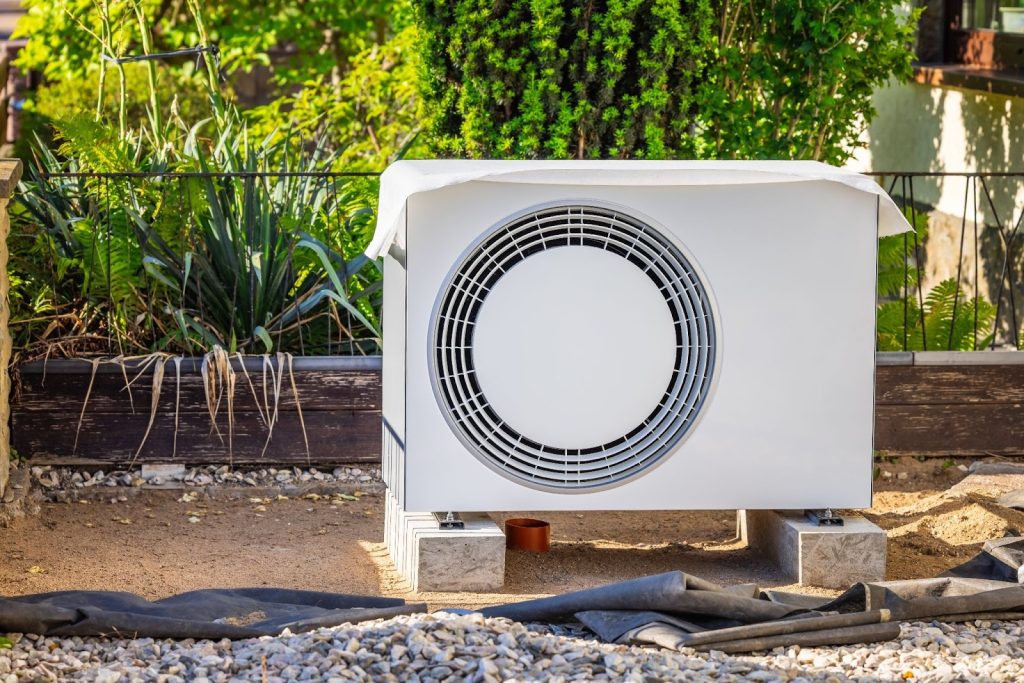
Proven Experience With Heat Pump Systems
Experience reflects how well a contractor can handle real-world installation challenges. Heat pump systems vary in design, performance, and setup requirements. Hands-on experience allows professionals to adjust quickly when issues arise. This practical knowledge supports smoother installations and consistent results. Experienced teams also work more efficiently while maintaining accuracy.
Knowledge of System Types
Heat pumps include air-source, ductless, and geothermal systems. Each system type requires specific installation methods and setup considerations. For example, ductless systems depend on proper indoor unit placement for airflow. Geothermal systems require careful planning for underground loop installation. Experienced professionals understand these differences and adjust their approach. This understanding helps maintain system efficiency and comfort.
Experience With Similar Homes
Homes differ in layout, insulation, and airflow patterns. Contractors who have worked on similar homes can anticipate common challenges. They know how to adjust system placement for better performance. This experience leads to more accurate installations and fewer post-installation issues. It also helps maintain consistent comfort across different areas of the home. Reviewing past projects provides insight into their capabilities.
Handling Installation Challenges
Unexpected issues often appear during installation projects. Hidden duct problems or electrical limitations can affect system performance. Experienced contractors identify these challenges early and adjust their approach. They rely on practical knowledge to solve problems efficiently. This ability reduces delays and prevents the need for temporary fixes. It also supports a more reliable and stable system after installation.
Accurate System Sizing and Assessment
System sizing determines how well a heat pump performs in your home. Incorrect sizing can lead to comfort issues and higher energy use. Accurate assessment requires more than simple estimates or guesswork. Professionals use detailed calculations to match the system to your home. This process supports consistent performance and energy efficiency.
Correct Load Calculations
Load calculations measure the heating and cooling needs of your home. These calculations consider insulation, window placement, and home orientation. They also evaluate air leakage and ductwork conditions. This process avoids incorrect sizing and improves system accuracy. Proper sizing allows the system to run efficiently and maintain stable temperatures. Incorrect sizing often leads to uneven comfort and higher energy costs.
Customized System Recommendations
Each home requires a tailored approach based on its structure and usage patterns. Contractors recommend systems that match your comfort needs and energy goals. They may suggest zoning systems or ductless units for specific areas. These solutions improve control and reduce energy waste. A customized plan also considers long-term maintenance and performance. This approach leads to better comfort and system efficiency.
Clear and Transparent Pricing
Transparent pricing helps homeowners understand project costs from the beginning. Clear estimates reduce confusion and prevent unexpected expenses. Professional contractors provide detailed cost breakdowns. This clarity reflects honesty and builds trust. It also helps homeowners compare options more effectively.
Detailed Written Estimates
Written estimates outline equipment, labor, and additional services. This breakdown helps homeowners understand where their money is going. It also allows easier comparison between different contractors. Detailed proposals reduce misunderstandings during the project. Reliable professionals explain each cost clearly and answer questions. This approach supports confident and informed decisions.
Avoiding Hidden Costs
Hidden costs can appear when estimates lack detail or transparency. These may include permit fees, electrical upgrades, or disposal charges. Identifying these costs early helps homeowners plan their budget. Honest contractors discuss potential extra expenses before work begins. This openness prevents surprises during installation. It also reflects strong business practices and respect for customers.
Warranty and Service Commitments
Warranty coverage and service support affect long-term system reliability. These protections help homeowners manage repairs and maintain performance. Strong service commitments reflect confidence in installation quality. Ongoing support also keeps systems running efficiently over time. This combination improves long-term value and peace of mind.
Equipment and Labor Coverage
Manufacturers provide warranties for heat pump components and parts. Contractors may also offer artistry warranties for installation quality. These warranties protect against defects and installation-related issues. Understanding coverage helps homeowners know what to expect if problems arise. Strong warranty terms reflect confidence in the work performed. This protection reduces financial risk over time.
Maintenance and Service Plans
Maintenance plans support system performance and extend equipment lifespan. Regular inspections help detect issues before they become costly repairs. These services also maintain energy efficiency and consistent operation. Reliable contractors offer ongoing support after installation is complete. This support builds a long-term relationship focused on system care. Consistent maintenance keeps your system running smoothly.
Strong Reputation and Client Feedback
Reputation reflects the consistency and reliability of a contractor’s work. Customer feedback provides insight into real experiences and service quality. Positive reviews often highlight professionalism and strong communication. Patterns in feedback help identify trustworthy providers. This information supports better decision-making during the hiring process.
Online Reviews and Ratings
Online reviews reveal how contractors perform across different projects. Customers often mention punctuality, artistry, and responsiveness. Reading multiple reviews helps identify consistent strengths or concerns. A few negative comments may not raise concern if most feedback remains positive. Repeated complaints, however, suggest potential issues. Reliable contractors maintain strong ratings across platforms.
Local Referrals and Trust
Referrals from friends or neighbors provide direct and reliable feedback. These sources often share detailed experiences about installation quality. They highlight both strengths and potential concerns. Local reputation reflects consistent service within the community. Contractors who rely on referrals often maintain higher standards. This trust adds confidence when making your decision.
Professional Communication Standards
Clear communication keeps installation projects organized and efficient. Professional behavior reflects how contractors value their clients and work. Respect for your home and schedule improves the overall experience. Strong communication also reduces misunderstandings during the project. These standards help create a smoother installation process.
Clear Project Communication
Contractors should explain timelines, steps, and expectations before work begins. Regular updates keep homeowners informed throughout the process. This communication reduces confusion and keeps the project on track. Professionals should answer questions clearly and explain technical details. This clarity helps homeowners understand how the system operates. It also builds confidence in the contractor’s expertise.
Respectful Work Practices
Professional contractors treat your home with care during installation. They protect surfaces and maintain a clean workspace throughout the process. Punctual arrival and organized work habits reduce disruption. Clean-up after installation reflects attention to detail and respect. These practices show professionalism beyond technical skills. This approach improves the overall homeowner experience.
Find Trusted Heat Pump Installers for Lasting Comfort
The quality of your system depends on the expertise behind its installation. A thoughtful choice now can prevent ongoing performance issues and unnecessary expenses. Skilled heat pump installers bring precision, experience, and clear communication to every project. Choosing the right professional ensures reliable comfort and steady energy efficiency for years to come.
Understand the details that shape long-term comfort and efficiency. Read more on the Tom Heating & Air blog and plan your next step.